Pike Fishing for Beginners: The Freshwater Predator Most Anglers Overlook
 Hudson Reed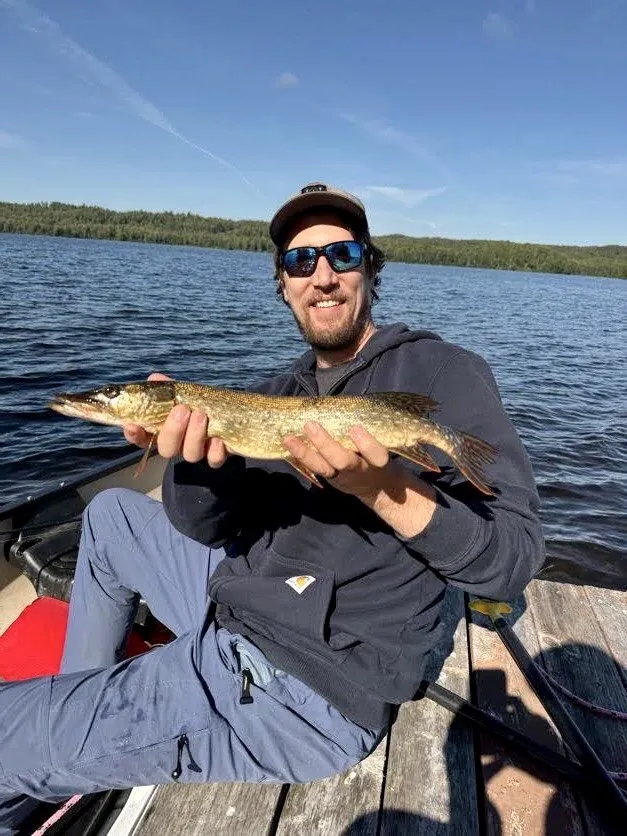
Written by Hudson Reed
Let me be blunt: northern pike are one of the most exciting freshwater fish you can target, and the average beginner angler has no idea they're even there. You've probably driven past pike water a hundred times on your way to fish for bass or walleye. That's a mistake I want to help you fix. Pike are aggressive, they grow enormous, and the world record stands at 55 pounds (IGFA, Greffern Lake, Germany, 1986), and once you hook one, nothing else feels quite the same. This guide covers everything a beginner needs to start catching northern pike: where they live, the right gear, the best lures, seasonal patterns, and how to handle those teeth without losing a finger.
Why Pike Are the Most Underrated Freshwater Predator
Most beginner anglers focus on bass, trout, or panfish. Pike get ignored, and I think it comes down to unfamiliarity. Pike don't have the cultural visibility of largemouth bass: there's no major tournament trail, no celebrity anglers doing backflips over them on YouTube. But here's the reality: northern pike are apex predators that have been documented eating ducklings, frogs, mice, and even other pike. They're distributed across a huge swath of North America (Minnesota, Wisconsin, Michigan, the Dakotas, Vermont, New York, Alaska, and almost all of Canada), which means millions of anglers have them within a short drive and don't know it. According to the Minnesota DNR, pike inhabit more than 4,000 lakes in Minnesota alone. That's a lot of overlooked fish.
Where Do Northern Pike Actually Live?
Pike are ambush predators, and everything about where they position makes sense once you understand how they hunt. They sit motionless in cover and explode on prey that swims too close. That means you're looking for structure and vegetation, not open water.
In lakes, target weedy bays and flats in 3 to 10 feet of water, especially areas with cabbage weeds, coontail, or milfoil. Secondary coves on the south and southeast side of a lake warm up faster in spring, which draws pike in early. Weed edges, rocky points, and sunken reefs hold fish throughout the season. Drop-offs from 6 to 10 feet are key spots for bigger fish, especially as water temps climb past 65°F and larger pike push slightly deeper to stay comfortable.
In rivers, find pike in the slow, calm pockets: behind logjams, along flooded backwater edges, in marshy tributaries. They avoid heavy current and favor areas where they can sit without burning energy.
One overlooked detail: pike generally stay in water shallower than 30 feet. They're not a deep-structure fish the way walleye can be. If you're fishing shallower than that and working cover, you're in the right neighborhood.
What Gear Do You Actually Need for Pike?
Pike fishing doesn't require exotic or expensive gear, but you do need to size up compared to what you'd use for bass. The two things beginners underestimate are rod power and the absolute necessity of a leader. Let me break down what I'd recommend if you're starting from scratch.
Rod: A 7 to 7.5-foot medium-heavy rod is the sweet spot. You need enough backbone to drive hooks into a hard, bony mouth and to handle the thrashing runs pike are famous for. A fast or moderate-fast action works well for casting larger lures.
Reel: Either a baitcasting reel or a heavy spinning reel works. Baitcasting gives you better line control and handles heavier lures more smoothly. If you're more comfortable with a spinning setup, run a reel rated for 20 to 30 lb braid and you'll be fine.
Line: Use 30 to 50 lb braided line. Braid has almost no stretch, which helps you feel strikes and set hooks through the pike's tough jaw. It also casts large lures much easier than mono at the same pound-test.
Leader, this is non-negotiable: Attach a 12-inch wire leader or a heavy fluorocarbon leader (40 to 80 lb) between your braid and your lure. Pike teeth are like razors. A single swipe and your line is gone without a leader. I've watched beginners lose three consecutive lures before accepting this advice. Don't skip the leader.
Hook removal tool: Long-nose pliers or forceps. You will need them. Pike have a jaw full of backward-facing teeth and they don't like being caught.
You might also enjoy: Spring Crappie Fishing Tips: Ice-Out to Spawn
The Best Lures for Beginner Pike Anglers
The good news about pike lures: these fish are not picky. They evolved to eat first and ask questions never. A handful of lure categories will cover 90% of your situations.
Inline spinners are the single best starting point for beginners. A Mepps Aglia or Blue Fox Vibrax in the 1/4 to 1 oz range, in white, chartreuse, or silver, is one of the most reliable pike lures ever made. Cast it out, reel it back at a steady medium pace, and pike will find it. The spinning blade creates vibration and flash that triggers the lateral line and the predator instinct simultaneously.
Spoons are a close second. A 1/2 to 1 oz casting spoon with a fluttering retrieve mimics a dying baitfish, which is catnip for pike. Let it sink slightly on the pause, then rip it forward. That erratic action is deadly.
Large swimbaits and paddle-tail soft plastics on 3/4 to 1 oz jig heads are increasingly popular and for good reason. They look like the sucker or perch that pike prefer to eat. A 5 to 7-inch paddle-tail in a shad or perch color rigged weedless works well in heavy vegetation.
Topwater lures (4.5 to 6-inch glide baits or walk-the-dog style plugs) during low-light hours in early morning or evening will produce some of the most violent strikes you've ever seen. This is where pike fishing gets addictive.
Dead bait under a float is a classic tactic that many beginners overlook. A frozen cisco, smelt, or sucker suspended 1 to 2 feet above the weeds is, frankly, the deadliest big-pike presentation there is. It requires patience, but if you want to catch a trophy-class fish, this is how guides do it.
How Does Pike Fishing Change With the Seasons?
Pike behavior shifts dramatically through the year, and knowing the seasonal pattern is the difference between frustration and consistent catches.
Spring is the best time to target pike, full stop. Pike spawn when water temps hit the mid-40s°F, moving into dark-bottomed, shallow bays, sometimes in as little as a foot of water. The spawn usually aligns with the April full moon cycle. Post-spawn, as water hits 50 to 55°F, pike are hungry, shallow, and aggressive. They haven't fully retreated to deep cover yet and will hammer just about anything you throw at them. This window, typically mid-April through late May in the northern U.S., is when I'd tell any beginner to book their first pike trip.
Summer fishing requires some adjustment. When surface temps exceed 65°F, larger pike push toward weed edges in slightly deeper water. They're still catchable: fish weed edges early and late, and consider going deeper with swimbaits or dead-bait presentations during midday.
Fall brings pike back into shallow water as prey species like perch and bluegill stack up along weed edges before winter. September through November produces aggressive fish that are feeding heavily before the cold shuts things down.
Ice fishing is its own chapter, but worth mentioning: pike under the ice, particularly in early and late ice, are active and catchable with tip-ups and large dead bait. Many veteran anglers consider this the most productive season for trophy fish.
You might also enjoy: Euro Nymphing vs. Indicator Nymphing: Which to Learn First?
How to Handle Pike Safely: Those Teeth Are Real
I can't stress this enough: treat a pike's mouth with respect. A pike that's 30 inches long has multiple rows of sharp, backward-angled teeth and a strike reflex that doesn't turn off just because it's lying in your net. Here's the safe protocol.
For smaller fish under about 10 pounds, grip the fish firmly behind the gill plates (never inside the gills) with one hand wrapped around the body just behind the pectoral fins. The other hand supports the belly. Do not put your fingers anywhere near the mouth.
For larger fish, wet your hands and use a proper landing net. Keep the fish in the water as much as possible. Use long-nose pliers or forceps to back out the hook. A jaw spreader helps if you need to go deeper into the mouth. If you're releasing the fish, hold it upright in the water until it swims away on its own.
This isn't being overly cautious: a Russian angler made international news after a pike bit his nose when he tried to kiss the fish. I'm not joking. Respect the predator.
Do You Need Special Regulations for Pike?
In most states with healthy pike populations, the regulations are fairly generous, since pike are prolific spawners and can handle reasonable fishing pressure. That said, rules vary significantly by state and body of water. Some states have no minimum size. Others have slot limits protecting fish in a specific size range to preserve the best breeders. A handful of waters in the Great Lakes region have special rules during and immediately after the spawn.
Always check your state or provincial wildlife agency before you go. The Minnesota DNR, Wisconsin DNR, Michigan DNR, and New York DEC all have clear, free online resources. It takes five minutes and protects both you and the fishery.
One thing I'd add: consider voluntary catch-and-release for larger pike over 30 inches. Big fish are old fish: a 36-inch pike is likely 10 to 12 years old based on average growth rates, and releasing them keeps the population healthy for everyone.
Where Should a Beginner Start?
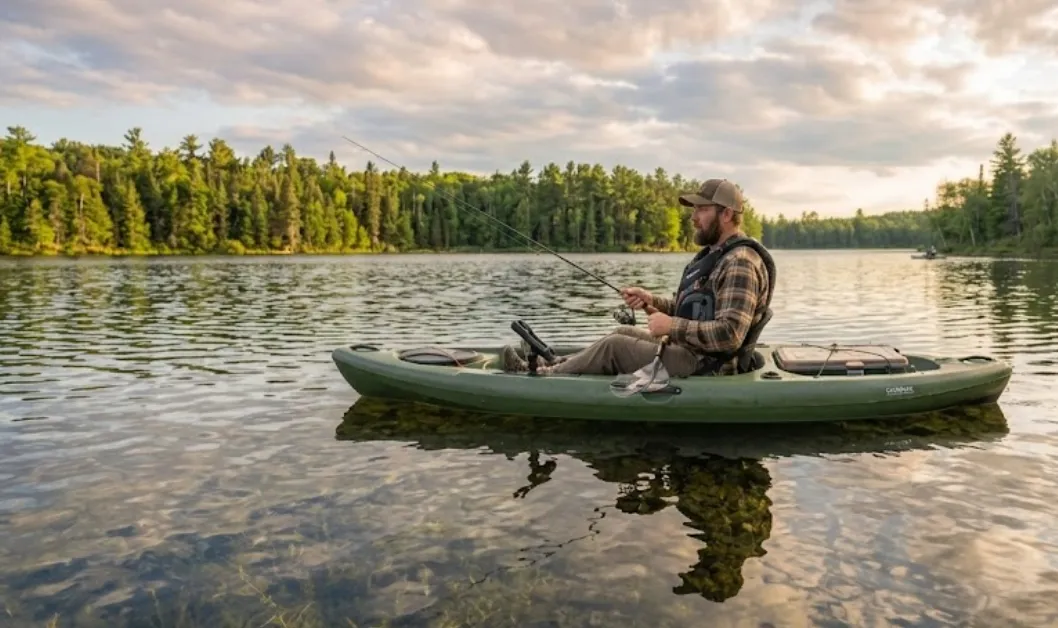
If you've never targeted pike before, I'd suggest starting on a lake rather than a river. Lakes are more forgiving: you can see the weed beds, identify the drop-offs, and work structure methodically. Pick a lake in your region that's known for pike (your state DNR's species distribution map will show you), rent a boat or launch a kayak, and spend a morning working the weedy flats in 3 to 8 feet of water with an inline spinner. That's the simplest possible approach and it will catch fish.
Once you've caught a few and understand how pike relate to structure, you can get more sophisticated: topwater presentations, fly fishing (a 9-weight rod with a big streamer is a blast), or dropping down to bigger dead-bait rigs for trophy class fish. Pike fishing has a deep rabbit hole, but the entry point is genuinely accessible for any angler who has already caught bass or walleye.
The biggest thing holding most beginners back from targeting pike isn't skill, it's simply not knowing the fish exists in their local water. Now you do. Get out there.
Get fishing tips in your inbox
New guides, seasonal tactics, and gear picks — about once a month, no spam.