Finding Your Secret Fishing Spot: A Strategic Guide to Discovering Hidden Gems
 Cameron Spanos
Written by Cameron Spanos
Every angler dreams of having a secret spot - that hidden gem where the fish are plentiful, the crowds are nonexistent, and success is almost guaranteed. But how do you find these magical places?
The truth is, secret spots aren't stumbled upon by luck. They're discovered through strategic research, careful exploration, and meticulous documentation. This guide will show you exactly how to find your own productive fishing locations that others overlook.
And once you find them? We'll show you how to track and protect them so they remain productive for years to come.
Why Secret Spots Matter
Before we dive into the how, let's talk about the why:
- Less pressure = more fish: Unpressured fish are easier to catch and grow larger
- Consistent success: When you know a spot produces, you can fish with confidence
- Escape the crowds: Enjoy solitude and the true fishing experience
- Year-round patterns: Learn how your spot changes with seasons
- Personal connection: There's something special about "your" water
The secret: The best fishing spots aren't always the most remote. They're the ones that others drive past, overlook, or underestimate.
Phase 1: Digital Reconnaissance (Before You Leave Home)
The best explorers do their homework before hitting the water. Here's how to identify promising locations from your computer:
Google Earth: Your Secret Weapon
Google Earth is the most powerful tool for finding fishing spots. Here's what to look for:
Freshwater Features
- Creek mouths: Where tributaries meet main lakes/rivers
- Points and humps: Underwater structure visible in clear water
- Vegetation lines: Grass beds, lily pads, submerged timber
- Deep water access: Areas where deep water comes close to shore
- Man-made structure: Old bridge pilings, submerged roads, foundations
- Isolated pockets: Small coves or backwaters off main lake
Saltwater Features
- Tidal creeks: Narrow channels that drain flats
- Oyster bars: Visible as dark patches in shallow water
- Grass flats: Light green areas in bays and estuaries
- Drop-offs: Color changes indicating depth transitions
- Points and cuts: Where current concentrates baitfish
- Mangrove shorelines: Especially isolated sections
Pro tip: Use the historical imagery feature to see how water levels change seasonally. This reveals structure that's only visible during low water.
Topographic Maps: Reading the Underwater Landscape
Topo maps reveal what you can't see from the surface:
- Contour lines: Tight lines = steep drop-offs (ambush points)
- Saddles: Low spots between two high points (migration routes)
- Underwater points: Extensions that funnel fish
- Creek channels: Old river beds in reservoirs
- Depth changes: Transitions from shallow to deep
Resources:
- Navionics Web App (marine charts)
- LakeMaster (freshwater contour maps)
- USGS TopoView (free topographic maps)
- State fish & wildlife websites (often have lake maps)
Social Media Intelligence (What NOT to Do)
Here's the paradox: social media can help you find spots, but it also burns them.
Smart approach:
- Look for general areas mentioned, not specific GPS coordinates
- Notice patterns: "caught fish near bridge" = investigate all bridges
- Read between the lines: vague backgrounds often hide good spots
- Check fishing reports for regional trends, not exact locations
What to avoid:
- Don't ask for exact coordinates in comments
- Don't share your own spots publicly (more on this later)
- Don't trust "secret spot" clickbait - if it's online, it's not secret
The "Drive-By" Method
Sometimes the best research happens in your car:
- Drive backroads near water: Look for access points others miss
- Note small bridges: Often overlooked but hold fish
- Check parking areas: Empty lot = unpressured water
- Look for "No Trespassing" signs: Public water on the other side?
- Talk to locals: Bait shops, marinas, gas stations (be respectful)
Document everything: Save potential spots with notes about access, parking, and what you observed.
Phase 2: On-the-Water Exploration
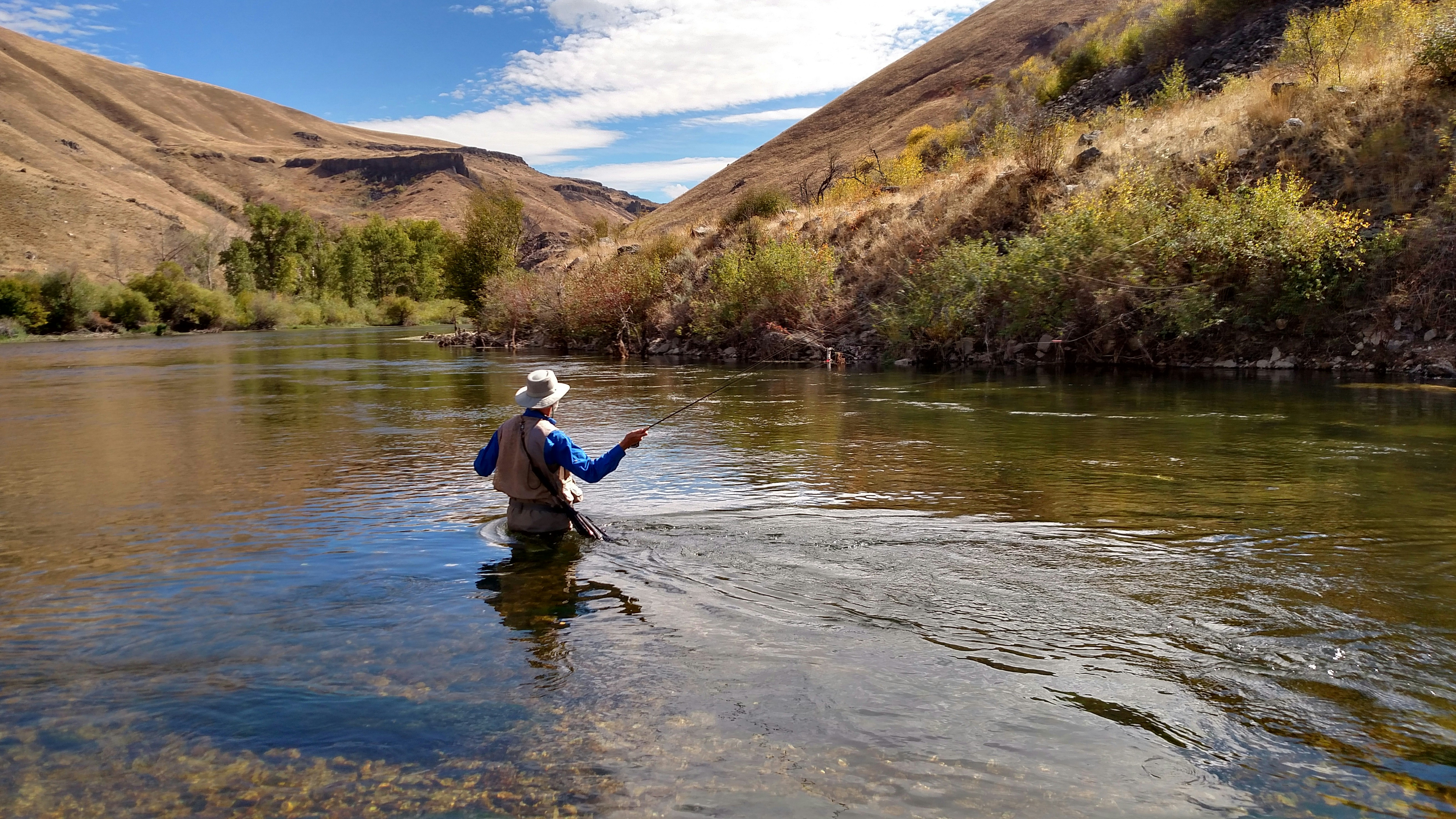
You've done your research. Now it's time to get your feet wet.
The First Visit: Reconnaissance Mission
Your first trip to a new spot isn't about catching fish - it's about gathering intelligence:
What to Observe
- Water clarity: Clear, stained, or muddy?
- Current flow: Fast, slow, tidal influence?
- Bottom composition: Rock, sand, mud, grass?
- Structure: Logs, rocks, vegetation, drop-offs?
- Baitfish activity: Are they present? What species?
- Bird activity: Diving birds = feeding fish below
- Insect hatches: What's in the air and on the water?
- Other anglers: How many? What are they fishing?
What to Document
This is critical - your memory will fail you. Log everything:
- GPS coordinates of productive areas
- Water temperature and clarity
- Weather conditions
- Time of day
- What you caught (or didn't catch)
- What lures/flies worked (or didn't)
- Photos of landmarks for navigation
Pro tip: Take photos of the shoreline from the water. This helps you relocate specific spots on future visits.
The Pattern Recognition Game
One visit tells you nothing. Three visits reveal patterns. Ten visits make you an expert.
Here's what to track across multiple visits:
Seasonal Patterns
- Spring: Where do fish stage pre-spawn? Where do they spawn?
- Summer: Where do they go when water warms? Deep? Shade?
- Fall: Where do they feed aggressively? Migration routes?
- Winter: Where do they hold in cold water? Deep holes?
Daily Patterns
- Dawn: Shallow feeding? Topwater action?
- Midday: Deep structure? Shade lines?
- Dusk: Shallow again? Evening rise?
- Night: Different species active? Different locations?
Weather Patterns
- Sunny: Where do fish go? Deeper? Under cover?
- Overcast: Do they roam shallow? More aggressive?
- Windy: Which banks get wind-blown bait?
- Rain: Does runoff trigger feeding? Where?
The secret sauce: Detailed logging turns random observations into predictable patterns. After 20+ visits, you'll know exactly where to fish based on conditions.
The Exploration Mindset
Finding secret spots requires a different approach than regular fishing:
✅ Do this:
- Fish new water on every trip (even if just 30 minutes)
- Try spots that "don't look fishy" - you'll be surprised
- Fish at different times of day than usual
- Experiment with different techniques and lures
- Talk to other anglers (respectfully, without burning spots)
❌ Don't do this:
- Give up after one fishless trip
- Only fish "proven" spots
- Ignore small, overlooked water
- Fish the same way every time
- Assume a spot is "fished out"
Phase 3: Identifying True "Secret Spots"
Not every fishing location is a secret spot. Here's what separates the good from the great:
The Secret Spot Checklist
A true secret spot has most (not all) of these qualities:
✅ Consistent production: Catches fish 70%+ of visits
✅ Low pressure: Rarely see other anglers
✅ Easy access: You can get there without a boat/long hike (or difficult access keeps others away)
✅ Multiple species: Holds different fish throughout the year
✅ Size potential: Produces quality fish, not just numbers
✅ Weather-resistant: Fishable in various conditions
✅ Close to home: Within 30-60 minutes (you'll fish it more often)
✅ Legal access: Public water or permission granted
Types of Secret Spots
1. The Overlooked Obvious
Everyone drives past it. No one stops.
Examples:
- Small bridges on backroads
- Retention ponds in neighborhoods
- Tiny creeks that feed major rivers
- Public parks with small ponds
- Canals and drainage ditches
Why they work: Low pressure, often overlooked, surprisingly productive
2. The Difficult Access
Getting there requires effort most anglers won't make.
Examples:
- Hike-in mountain lakes
- Wade-only river sections
- Kayak/canoe-only backwaters
- Spots requiring permission from landowners
Why they work: Effort = barrier to entry = less pressure
3. The Timing Play
Same spot everyone fishes, but at a different time.
Examples:
- Popular lake fished at night instead of day
- Crowded river fished on weekdays instead of weekends
- Summer spot fished in winter
- Dawn/dusk instead of midday
Why they work: Fish behavior changes with timing, pressure drops
4. The Species Switch
Everyone targets one species. You target another.
Examples:
- Bass lake that holds giant catfish
- Trout stream with overlooked smallmouth
- Saltwater flat known for redfish, but holds snook
- Panfish pond with trophy bass
Why they work: Different species = different techniques = less competition
5. The Urban Hidden Gem
Right in the city, but nobody knows about it.
Examples:
- Industrial canal systems
- Golf course ponds (with permission)
- City park lakes
- Apartment complex retention ponds
- Corporate campus water features
Why they work: Hidden in plain sight, minimal pressure
Phase 4: Protecting Your Secret Spots
You've found it. You've documented it. Now don't blow it.
The Social Media Problem
We live in an age of oversharing. Resist the urge.
❌ Never do this:
- Post photos with identifiable landmarks
- Share GPS coordinates publicly
- Name specific locations in captions
- Geotag your posts
- Respond to "where is this?" comments
✅ Do this instead:
- Use vague descriptions: "local creek," "neighborhood pond"
- Crop out landmarks and backgrounds
- Disable location services on photos
- Share the catch, not the location
- Keep your location database private
The rule: If you post it online, it's not secret anymore. Period.
The Ethics of Sharing
Sometimes sharing is appropriate. Here's when:
Share with:
- Close fishing buddies who respect the spot
- Family members you trust
- People who've shared their spots with you
Don't share with:
- Casual acquaintances
- Social media followers
- People who ask "where'd you catch that?"
- Anyone who might post it online
The test: Would you be upset if this person brought 5 friends to your spot? If yes, don't share.
Sustainable Fishing Practices
A secret spot is only valuable if it stays productive:
- Practice catch and release: Especially for larger fish
- Don't overharvest: Take only what you'll eat
- Avoid spawning fish: Let them reproduce
- Pack out trash: Leave it better than you found it
- Respect private property: Don't trespass or burn access
- Follow regulations: Size limits, bag limits, seasons
The mindset: You're a steward, not an exploiter. Protect the resource.
Phase 5: Documenting and Optimizing Your Spots
This is where most anglers fail. They find great spots but don't document them properly.
What to Track for Each Location
Use Bushwhack's location tracking system to record:
Basic Information
- Name (use code names for extra secrecy)
- GPS coordinates (exact productive areas)
- Water type (river, lake, pond, creek, saltwater)
- Access points and parking
- Best approach (wade, boat, kayak, shore)
Fishing Data
- Species present
- Best seasons/months
- Best times of day
- Best weather conditions
- Best lures/flies/baits
- Average size and quantity
- Personal best from this spot
Environmental Data
- Water clarity (typical)
- Bottom composition
- Structure present
- Vegetation types
- Current/tidal influence
- Depth ranges
Tactical Notes
- Specific casting targets
- Productive techniques
- What doesn't work
- Seasonal changes
- Pressure level (how often others fish it)
Pro tip: After each trip, spend 5 minutes logging your results. Over time, this data becomes invaluable.
The Secret Spot Portfolio
Don't rely on one spot. Build a portfolio:
The ideal mix:
- 2-3 "A" spots: Consistently productive, close to home
- 4-6 "B" spots: Good backups, different species/conditions
- 10+ "C" spots: Experimental, potential future A/B spots
Why this matters:
- Weather makes some spots unfishable
- Seasons change fish locations
- Spots can get pressured or change
- Variety keeps fishing interesting
Track them all: Use location management to organize your portfolio by productivity, distance, species, and conditions.
The Continuous Improvement Loop
Your secret spots should get better over time, not worse:
- Fish the spot (gather data)
- Log the results (document what worked/didn't)
- Analyze patterns (review your logs)
- Adjust approach (try new techniques/times)
- Repeat (build expertise)
After 20+ visits with detailed logging, you'll know:
- Exactly where to cast based on conditions
- Which lures work best in each season
- What time of day produces best
- How weather affects the bite
- Where the biggest fish hold
The result: Your "secret spot" becomes a reliable producer instead of a lucky find.
Advanced Secret Spot Strategies
The Micro-Spot Within the Spot
Even within a productive location, there are sweet spots:
- Specific log or rock that always holds fish
- One particular grass edge
- A 10-foot section of bank
- A single deep hole in a creek
How to find them:
- Mark every catch with GPS (phone or handheld)
- After 10+ trips, plot all catches on a map
- Look for clusters - these are your micro-spots
- Focus future efforts on these high-percentage areas
The Seasonal Rotation
Some spots are only good certain times of year:
Example rotation:
- Spring: Shallow creek mouth (spawning bass)
- Summer: Deep river hole (heat refuge)
- Fall: Rocky point (feeding migration)
- Winter: Warm water discharge (temperature refuge)
Track it: Tag locations by season so you know where to go when.
The Weather Play
Some spots shine in specific weather:
- Windy days: Protected coves and leeward banks
- Rainy days: Runoff-fed creeks and muddy water spots
- Sunny days: Shaded banks and deep structure
- Cold fronts: Deep holes and slow-moving water
Build a weather-based playbook: Know which spot to hit based on the forecast.
Common Mistakes When Finding Secret Spots
❌ Giving up too soon: A spot needs 5+ visits before you understand it
❌ Fishing the same way every time: Experiment with techniques and times
❌ Not documenting: Your memory will fail you - write it down
❌ Oversharing: One social media post can ruin years of work
❌ Ignoring small water: Tiny creeks and ponds can be incredibly productive
❌ Only fishing weekends: Weekday spots have way less pressure
❌ Assuming it's fished out: Often it's just fished wrong
❌ Not respecting the resource: Overharvesting kills your spot
The Mental Game of Secret Spots
Patience is Everything
Finding a true secret spot takes time:
- Year 1: Exploration and experimentation
- Year 2: Pattern recognition and refinement
- Year 3+: Mastery and consistent success
Don't expect instant results. The best spots reveal themselves slowly.
The Confidence Factor
Once you have a proven spot, fish it with confidence:
- You know the fish are there
- You know what works
- You know when to go
- You can focus on technique, not location
The result: You catch more fish because you're fishing smarter, not harder.
The Exploration Addiction
Warning: finding secret spots is addictive.
Once you experience the thrill of discovering productive water that others overlook, you'll never stop exploring. That's a good thing.
Balance it:
- 80% of trips: Fish proven spots (build expertise)
- 20% of trips: Explore new water (find future spots)
Real-World Secret Spot Examples
The Neighborhood Pond
The find: Retention pond in suburban neighborhood, 2 acres
The secret: Everyone assumes it's fished out
The reality: Holds 5+ lb bass, rarely fished
The key: Fish early morning before dog walkers arrive
The Backroad Bridge
The find: Small bridge over creek, 30 minutes from city
The secret: Everyone drives past to "better" water
The reality: Deep hole below bridge holds trophy catfish
The key: Night fishing with cut bait
The Tidal Creek
The find: Narrow creek feeding into bay
The secret: Only accessible by kayak at high tide
The reality: Redfish and snook stack up on falling tide
The key: Fish the last 2 hours of outgoing tide
The Urban Canal
The find: Industrial canal in city limits
The secret: Looks ugly, most anglers avoid it
The reality: Warm water discharge attracts fish year-round
The key: Fish the discharge area in winter
The lesson: Secret spots are everywhere. You just have to look.
Your Secret Spot Action Plan
Ready to find your own secret spots? Here's your 30-day plan:
Week 1: Research
- Spend 2 hours on Google Earth identifying 10 potential spots
- Study topographic maps of your area
- Drive backroads and note access points
- Set up location tracking to document findings
Week 2: Initial Exploration
- Visit 5 of your identified spots
- Spend 1-2 hours at each (reconnaissance, not fishing)
- Log each location with detailed notes
- Take photos for future reference
Week 3: Focused Fishing
- Fish your top 3 spots from Week 2
- Try different techniques and times of day
- Log every trip with results
- Note what works and what doesn't
Week 4: Pattern Analysis
- Review your logs from Weeks 2-3
- Identify which spots showed most promise
- Plan return visits to productive locations
- Add 5 new spots to explore next month
Repeat this cycle monthly. Within 6 months, you'll have 3-5 solid secret spots.
Final Thoughts
Finding secret fishing spots isn't about luck or insider knowledge. It's about:
- Strategic research: Using maps and technology to identify potential
- Persistent exploration: Putting in the time to investigate
- Detailed documentation: Tracking what works and what doesn't
- Pattern recognition: Learning how spots change with conditions
- Discretion: Protecting your discoveries from oversharing
The anglers who consistently catch fish aren't lucky. They've done the work to find productive water and understand how to fish it.
Your secret spots are out there, waiting to be discovered. The question is: are you willing to put in the effort to find them?
Start tracking your locations today, and in one year, you'll have a portfolio of productive spots that others drive right past.
Tight lines, and happy exploring!
Have you found a secret spot using these strategies? Share your success story (without burning the spot!) in the comments below.