Spring Spinner Fishing Preparation Checklist: Get Ready for the Best Season
 Hudson Reed
Written by Hudson Reed
Spring is finally here, so it's time to dust off your poles, untangle your line from your reels. Dig out your favorite lures that are stuck in and piercing your back seat and head out for the water.
Why Spring Preparation Matters
Spring fishing is different from any other season:
- Fish are hungry after a long winter and feeding aggressively
- Water conditions change rapidly with snowmelt and rain
- Spawning activity triggers aggressive strikes
- Weather is volatile requiring versatile gear
- Access can be limited by high water and mud
Plan now, so you'll have what you need for when your fishing later.
Gear Inspection & Maintenance (2-3 Weeks Before)
Rods & Reels
- Inspect rod guides for cracks or grooves (run fishing line through to feel for snags)
- Check rod ferrules and connections for tightness
- Clean and lubricate spinning reels (bail, handle, drag)
- Oil reel bearings with reel oil (not WD-40)
- Test drag systems under tension—should be smooth, not jerky
- Check for line twist by letting line hang freely
- Tighten any loose reel seats or handles
- Inspect rod tips for damage
Fishing Line
- Check line for nicks, abrasions, or discoloration
- Replace monofilament that's over 1 year old (UV degrades it)
- Replace braided line if frayed or faded
- Respool all reels with fresh line before season
- Stock up on leader material (fluorocarbon for clear water)
- Test line strength—old line loses 20-30% breaking strength
- Remove memory coils by soaking in warm water
Landing Nets & Tools
- Inspect landing net for tears or broken mesh
- Check net handle for cracks
- Sharpen fillet knife if you keep fish
- Test pliers and hook removers for smooth operation
- Replace rusty hooks on stringer or fish basket
- Check scale batteries and calibration
Waders & Boots (If Applicable)
- Inspect waders for leaks (fill with water or use flashlight test)
- Patch any holes with repair kit
- Clean and waterproof wading boots
- Replace worn boot laces
- Check felt soles or cleats for wear
Accessories
- Replace old sunscreen and insect repellent
- Check polarized sunglasses for scratches
- Test headlamp and flashlight batteries
- Restock first aid kit
- Check rain jacket for waterproofing
- Inspect tackle box hinges and latches
- Replace worn stringer or fish basket
Tackle Box Organization (1-2 Weeks Before)
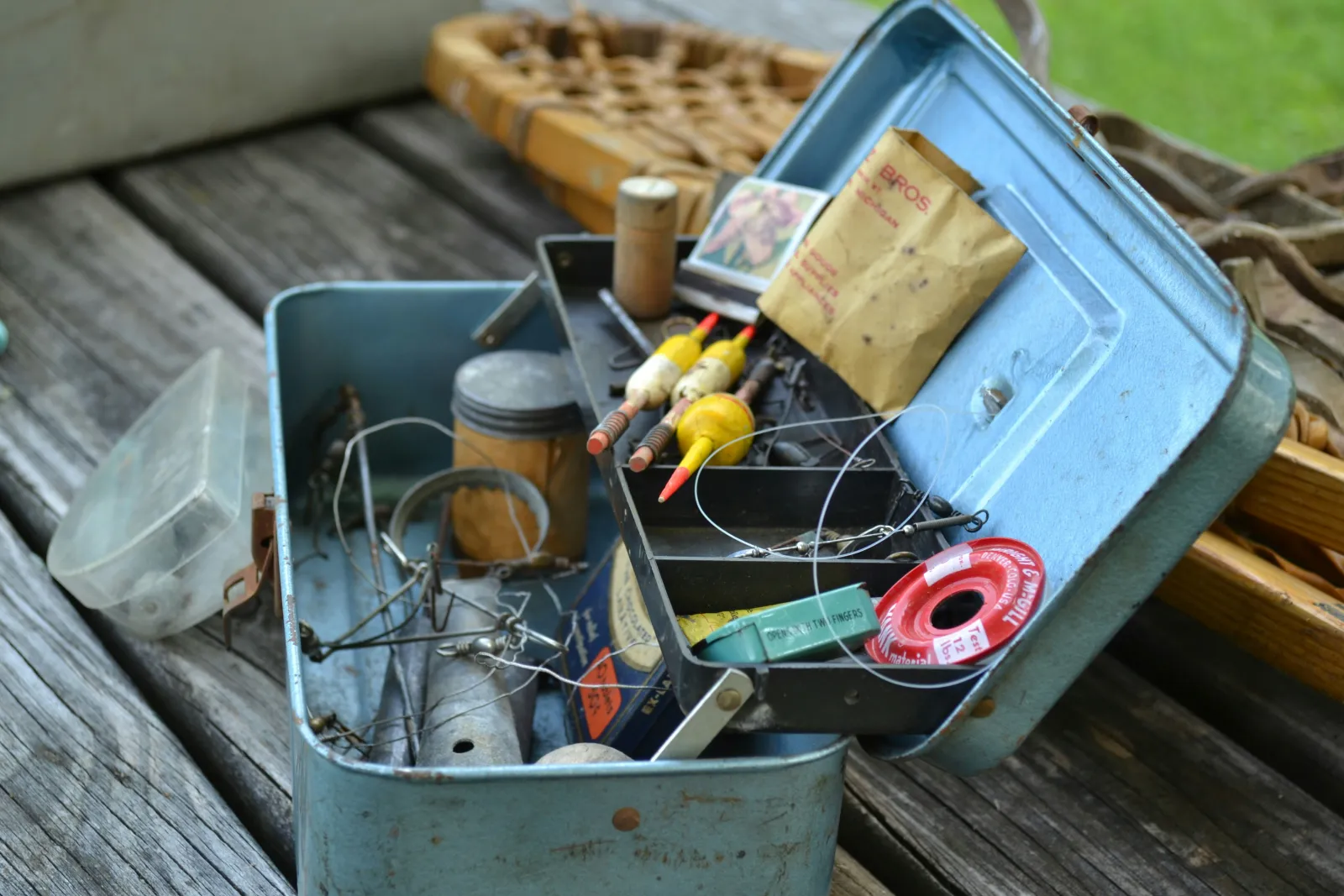
Inventory Your Lures
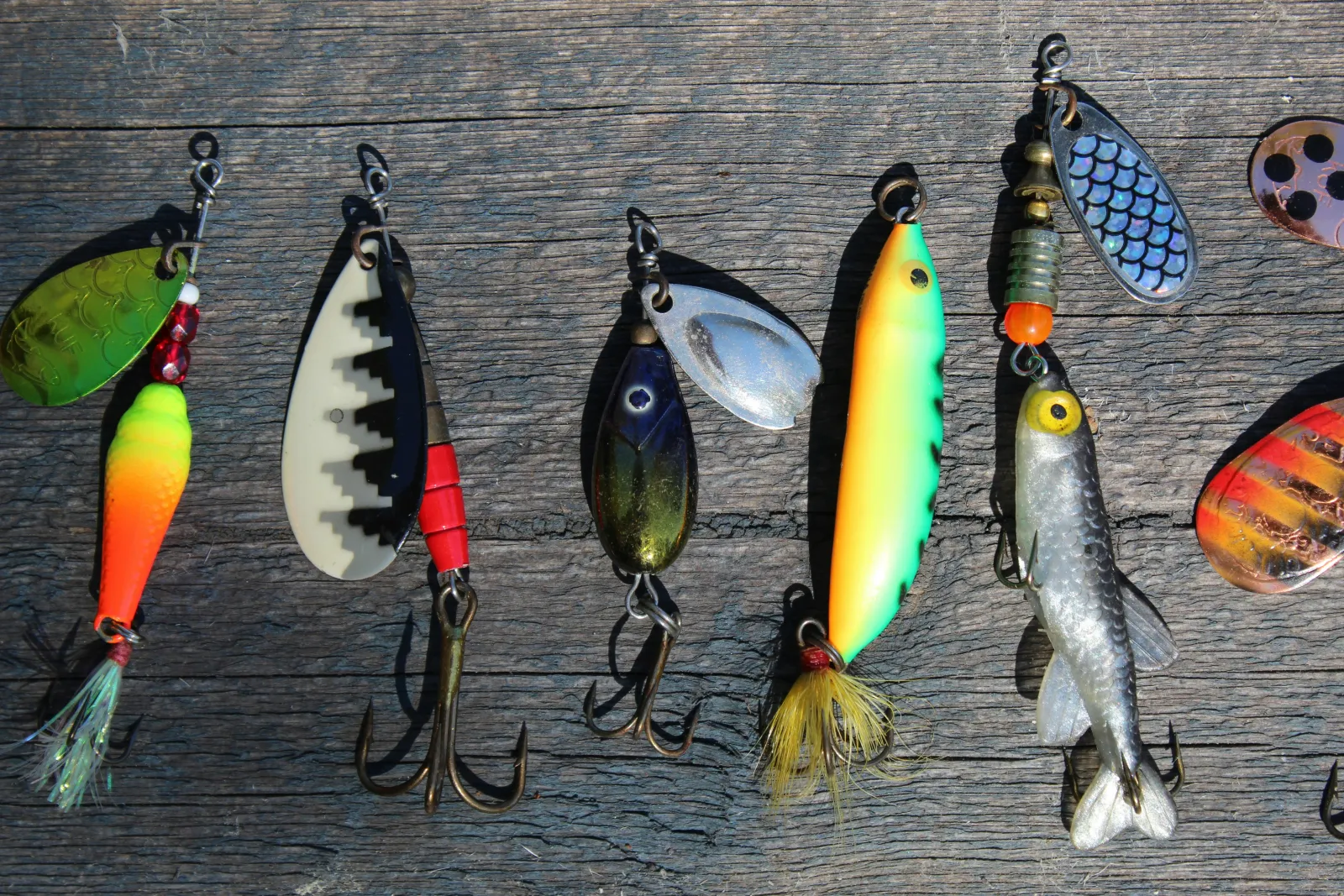
- Sort lures by type (spinners, spoons, crankbaits, jigs)
- Check hooks for rust or dull points
- Sharpen or replace dull hooks
- Discard damaged or rusty lures
- Organize by size and color within each category
- Note what you're running low on
- Clean lures with soap and water
- Touch up chipped paint on crankbaits
Essential Spring Spinners & Lures to Stock
Inline Spinners (sizes 0-3):
- Mepps Aglia (silver, gold, copper)
- Panther Martin (various colors)
- Blue Fox Vibrax (chartreuse, rainbow trout)
- Rooster Tail (white, yellow, black)
- Joe's Flies (for trout)
Spinnerbaits (1/8 oz - 1/2 oz):
- White/chartreuse (bass, pike)
- Black/blue (murky water)
- Shad patterns (clear water)
- Willow leaf blades (clear water)
- Colorado blades (stained water)
Spoons (1/8 oz - 3/4 oz):
- Kastmaster (silver, gold)
- Little Cleo (red/white, five of diamonds)
- Daredevle (red/white stripe)
- Johnson Silver Minnow (weedless)
Crankbaits (shallow to medium diving):
- Rapala Original Floater (F7, F9)
- Rebel Crawfish
- Bomber Fat Free Shad
- Strike King KVD Square Bill
- Natural shad, crawfish, and perch patterns
Jigs (1/16 oz - 3/8 oz):
- Marabou jigs (white, chartreuse, black)
- Hair jigs (brown, olive)
- Tube jigs (smoke, watermelon)
- Curly tail grubs (various colors)
Soft Plastics:
- Senko worms (5")
- Curly tail grubs (2"-4")
- Tube baits
- Paddle tail swimbaits
- Crawfish imitations
Terminal Tackle Essentials
- Snap swivels (sizes 10-14)
- Ball bearing swivels (prevent line twist)
- Split shot weights (various sizes)
- Sliding sinkers (egg, bullet)
- Bobbers/floats (slip and fixed)
- Extra hooks (sizes 4-10 for live bait)
- Wire leaders (for pike, musky)
- Fluorocarbon leaders (6-12 lb test)
Organize Your Tackle Box
- Clean out old wrappers, broken line, etc.
- Group similar lures together
- Keep frequently used lures accessible
- Store soft plastics separately (they melt other plastics)
- Add silica gel packets to prevent rust
- Label compartments for quick access
- Pack needle-nose pliers, line cutters, and hook remover
Location Scouting & Research (1 Week Before)
Check Water Conditions
- Monitor USGS stream flow data for rivers
- Check lake water levels and clarity reports
- Look for water temperature trends (55-65°F is prime for many species)
- Note recent precipitation and snowmelt patterns
- Identify backup locations if primary spots are blown out
- Check boat ramp conditions and accessibility
Review Your Fishing Log
If you kept a fishing log last spring (and you should!), review it:
- Which lures produced the most fish?
- What were the best times of day?
- Which locations were most productive?
- What water conditions led to success?
- What colors worked in different water clarity?
- What retrieve speeds were most effective?
Use Bushwhack's location tracking to remember your best spring spots year after year and see exactly what lures worked in previous seasons.
Scout New Locations
- Research 2-3 new spots to try this season
- Check access points, parking, and boat ramps
- Review regulations (seasons, limits, special rules)
- Download offline maps if fishing remote areas
- Join local fishing groups for insider tips
- Check for spawning closures
- Identify shallow bays and coves (warm up first)
Licensing & Regulations (Before First Trip)
- Renew your fishing license (most expire annually)
- Purchase any required stamps (trout, salmon, etc.)
- Review current regulations (limits, size restrictions, closures)
- Check for emergency closures due to spawning or high water
- Note any new catch-and-release zones
- Understand slot limits for bass, walleye, pike
- Know barbless hook requirements (some waters)
- Keep physical or digital copy of license with you
Physical Preparation
Don't overlook your own conditioning:
- Cardiovascular fitness - Spring fishing often means hiking to remote spots
- Arm strength - Casting all day requires endurance
- Leg strength - Wading in current or walking shorelines
- Flexibility - Prevent injuries with basic stretching
- Practice casting - Shake off the rust before opening day
Spend 15-30 minutes practicing your cast in a park or yard. Focus on:
- Accuracy at various distances
- Casting under overhanging branches
- Skipping lures under docks
- Quick hook sets
- Different retrieve speeds
Safety & Emergency Prep
Pack These Essentials
- Fully charged cell phone in waterproof case
- First aid kit with blister treatment
- Emergency whistle
- Fire starter and waterproof matches
- Emergency blanket
- Extra food and water
- Knife or multi-tool
- Headlamp with fresh batteries
- Life jacket (if fishing from boat or kayak)
- Throw rope (for boat fishing)
Know the Risks
- Hypothermia - Spring water is cold; dress in layers
- High water - Snowmelt creates dangerous currents
- Slippery rocks - Algae growth is heavy in spring
- Wildlife - Bears are emerging; carry bear spray in bear country
- Weather changes - Spring storms develop quickly
- Boat safety - Cold water is deadly; wear life jacket
The Week Before: Final Checklist
Monday-Tuesday:
- Check extended weather forecast
- Monitor water levels and temperatures daily
- Respool reels if needed
- Order any missing lures
Wednesday-Thursday:
- Pack your tackle box completely
- Charge all electronics (phone, fish finder, GPS)
- Prepare snacks and meals
- Check vehicle (gas, tire pressure, emergency kit)
- If using boat: check battery, fuel, safety equipment
Friday:
- Final weather and water check
- Load all gear in vehicle
- Set multiple alarms (don't miss the dawn bite!)
- Get a good night's sleep
Opening Day Strategy
You've prepared—now execute:
- Arrive early - Best fishing is often first light
- Start shallow - Fish move to shallow, warming water in spring
- Fish slow - Metabolism is still sluggish in cold water
- Target structure - Rocks, logs, weed edges hold fish
- Use natural colors - Shad, perch, crawfish patterns in clear water
- Upsize in murky water - Bigger profile, brighter colors
- Log everything - Start your season log on day one
Spring Spinner Fishing Success Tips
Water Temperature is Key
- Below 45°F - Fish are lethargic; fish very slow with jigs
- 45-55°F - Fish are feeding but slow; use slow retrieves
- 55-65°F - Prime time; fish are active and aggressive
- Above 65°F - Fish move to deeper, cooler water during day
Time of Day Matters
- Early morning - Often slow until water warms (except bass)
- 10am-3pm - Best action as water temperature rises
- Evening - Can be excellent as fish move shallow to feed
- Overcast days - Fish all day; low light keeps fish active
Location Selection
- Target shallow bays and coves (warm up first)
- Look for sun-exposed banks (warmer water)
- Fish near spawning areas (pre-spawn aggression)
- Focus on structure: rocks, logs, weed edges
- Try creek mouths and inflows (warmer, oxygenated water)
- Don't overlook muddy banks (crawfish habitat)
Lure Selection by Water Clarity
Clear Water:
- Natural colors (silver, shad, perch)
- Smaller lures (size 0-1 spinners)
- Fluorocarbon leaders
- Subtle action (willow leaf blades)
Stained Water:
- Brighter colors (chartreuse, white, orange)
- Medium lures (size 2-3 spinners)
- More vibration (Colorado blades)
- Rattling crankbaits
Muddy Water:
- High contrast colors (black/chartreuse, white)
- Larger lures (size 3-4 spinners)
- Maximum vibration (large Colorado blades)
- Loud rattles and thumping action
Retrieve Techniques for Spring
Spinners
- Steady retrieve - Just fast enough to feel blade vibration
- Stop-and-go - Pause to let spinner flutter down
- Countdown method - Count down to different depths
- Upstream cast - Let current spin the blade
Crankbaits
- Slow roll - Steady, slow retrieve in cold water
- Stop-and-go - Pause triggers reaction strikes
- Deflection - Bounce off rocks and logs
- Burn and kill - Fast retrieve, then dead stop
Jigs
- Slow drag - Crawl along bottom
- Hop and drop - Lift and let fall on slack line
- Swim - Steady retrieve just off bottom
- Shake - Subtle rod tip vibration
Common Spring Mistakes to Avoid
1. Fishing too fast
Spring fish are sluggish. Slow down your retrieve significantly.
2. Using summer patterns
Smaller, natural colors work better in cold, clear water. Not sure what's working? Check out Bushwhack's lure tracking to see what other anglers are catching fish with.
3. Ignoring water temperature
A 5-degree difference changes everything. Carry a thermometer.
4. Fishing too deep
Spring fish move shallow to warm up and spawn. Focus on 2-10 feet.
5. Overdressing
You'll warm up quickly. Layer so you can adjust.
6. Fishing high, dirty water
Wait for water to drop and clear. Check conditions before driving.
7. Not having backup plans
Spring conditions change hourly. Have 2-3 backup locations.
8. Using dull hooks
Cold water fish bite softly. Sharp hooks are critical.
Species-Specific Spring Tips
Bass (Largemouth & Smallmouth)
- Pre-spawn: Fish shallow cover with jigs and soft plastics
- Spawn: Avoid nesting fish; focus on pre-spawn areas
- Post-spawn: Slow presentations near spawning areas
- Best lures: Jigs, spinnerbaits, jerkbaits, soft plastics
Trout
- Target slower pools and eddies
- Use small spinners (size 0-2)
- Natural colors: silver, gold, brown trout patterns
- Fish upstream, retrieve with current
Pike & Musky
- Fish shallow bays and weed edges
- Use large spoons and spinnerbaits
- Bright colors: red/white, chartreuse, orange
- Wire leaders essential
Walleye
- Fish rocky points and reefs
- Jigs tipped with minnows or soft plastics
- Slow, bottom-bouncing presentation
- Low-light periods best (dawn, dusk, overcast)
Panfish (Crappie, Bluegill, Perch)
- Target shallow structure near spawning areas
- Small jigs (1/32 - 1/8 oz)
- Slow, vertical presentation
- Natural colors: white, chartreuse, pink
Post-Trip Maintenance
After each spring trip:
- Rinse all gear with fresh water (especially after saltwater)
- Dry rods and reels completely
- Check line for nicks and abrasions
- Rinse and dry lures (prevent rust)
- Hang waders to dry completely
- Clean and dry boots
- Restock any lures you lost
- Sharpen hooks that got dull
- Log your trip immediately - Record conditions, catches, and lures
Your Spring Fishing Log
This is crucial: Start logging from day one of spring season. If you haven't started a fishing log yet, read our complete guide on how to start a fishing log.
Track these spring-specific details:
- Water temperature at start and end of session
- Water clarity (clear, slightly stained, muddy)
- Successful lure types, colors, and sizes
- Retrieve speed and technique
- Time of day for best action
- Weather conditions (cloud cover, wind, barometric pressure)
- Water flow levels (rivers) or lake levels
- Depth where fish were caught
- Structure or cover where fish were holding
By mid-spring, you'll have data showing exactly when, where, and what to fish for maximum success.
The Bottom Line
Spring fishing rewards the prepared. While others are scrambling with broken gear, rusty lures, and poor planning, you'll be on the water catching fish.
Use this checklist starting 2-3 weeks before your first trip. Print it out, check off items as you complete them, and you'll be ready when opening day arrives.
The ice is melting. The fish are waking up. Are you ready?
Ready to track your spring catches and build a database of what works? Sign up for Bushwhack and start logging your fishing adventures today. It's free to get started.
What's on your spring spinner fishing preparation checklist? Share your tips in the comments below!