Spring Fly Fishing Preparation Checklist: Get Ready for the Best Season
 Cameron Spanos
Written by Cameron Spanos
Spring is finally here, and you know what that means—fish are waking up, hatches are starting, and some of the best fishing of the year is just around the corner.
But before you rush to the water, take a weekend to properly prepare. The anglers who catch the most fish in spring aren't just lucky—they're prepared. I've laid out some of things that I do so I don't miss out on what matters most, spending time out on the water.
Why Spring Preparation Matters
Spring fishing is different from any other season:
- Fish are hungry after a long winter and feeding aggressively
- Water conditions change rapidly with snowmelt and rain
- Hatches are unpredictable and timing is everything
- Weather is volatile requiring versatile gear
- Access can be limited by high water and mud
Proper preparation means you'll spend more time fishing and less time dealing with equipment failures, or in my case hooking into a fish and reaching for my net and grabbing at air, only to realize that I left if in the garage.
Gear Inspection & Maintenance (2-3 Weeks Before)
Rods & Reels
- Inspect rod guides for cracks or grooves (run a cotton swab through each guide)
- Check rod ferrules for tight connections
- Clean and lubricate reels (drag systems, bearings, line guides)
- Test drag systems under tension
- Replace worn cork grips or reel seats if needed
- Tighten any loose reel seats
Lines & Leaders
- Inspect fly lines for cracks (especially near the tip)
- Clean fly lines with line cleaner
- Replace backing if frayed or sun-damaged
- Check leader material for brittleness (tippet degrades over time)
- Stock up on fresh tippet in common sizes (4X-6X for trout)
- Replace any monofilament over 2 years old
Waders & Boots
- Inspect waders for leaks (fill with water or use a flashlight in dark room)
- Patch any holes with repair kit
- Check wader seams for separation
- Clean and waterproof wading boots
- Replace worn boot laces
- Check felt soles or studs for wear
- Inspect wader suspenders and belt
Accessories
- Replace old sunscreen and insect repellent
- Check polarized sunglasses for scratches
- Inspect landing net for damage
- Test headlamp batteries
- Restock first aid kit
- Check rain jacket for waterproofing
- Inspect wading staff if you use one
Fly Box & Tackle Organization (1-2 Weeks Before)
Inventory Your Flies
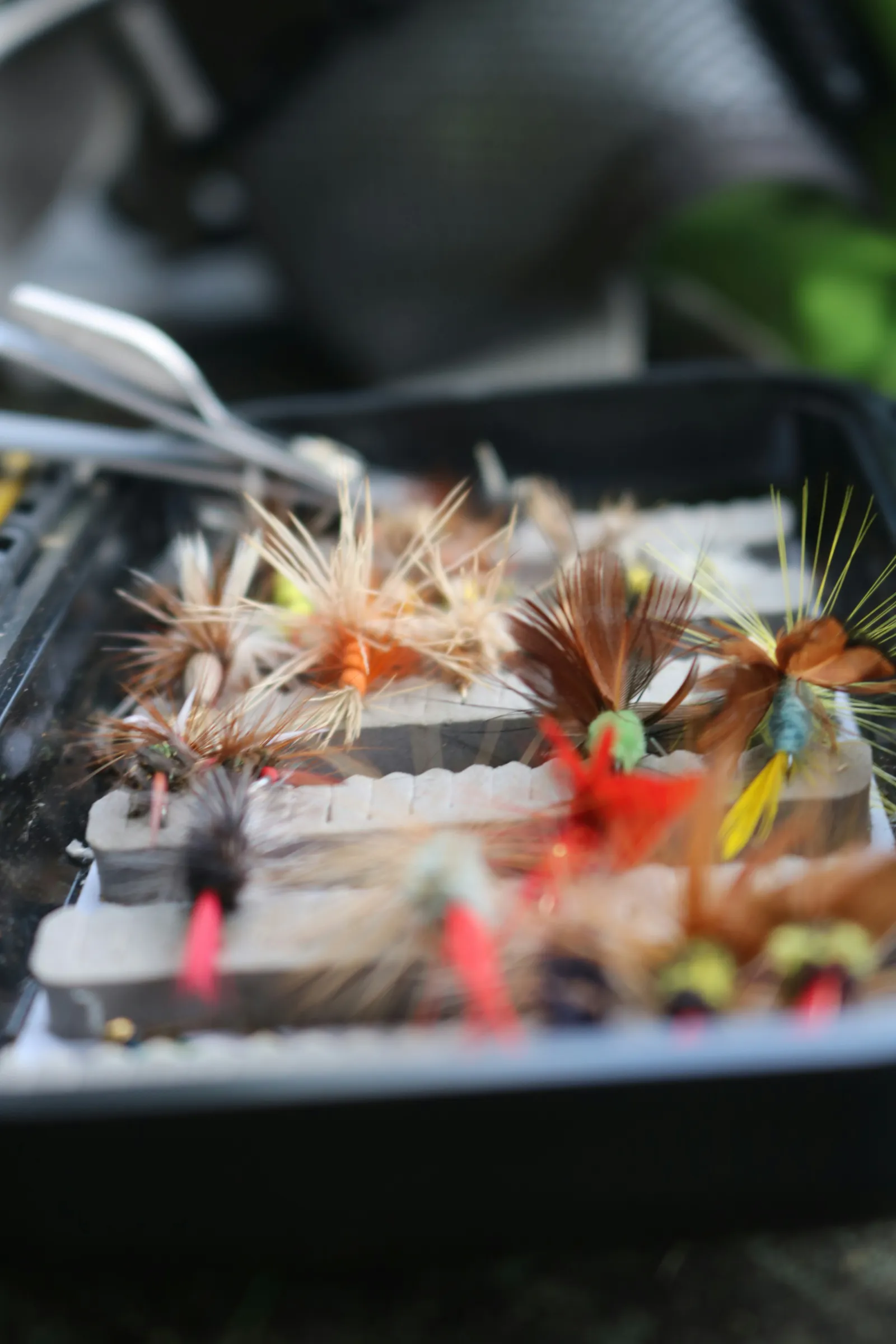
- Sort flies by type (nymphs, dry flies, streamers, emergers)
- Check hooks for rust or dull points
- Discard damaged or rusty flies
- Organize by size within each category
- Note what you're running low on
Essential Spring Patterns to Stock
Nymphs (sizes 14-20):
- Pheasant Tail
- Hare's Ear
- Prince Nymph
- Copper John
- Zebra Midge
- Blue-Winged Olive nymphs
Dry Flies (sizes 14-20):
- Blue-Winged Olive (BWO)
- Parachute Adams
- Elk Hair Caddis
- Griffith's Gnat
- March Brown
- Stimulator
Streamers (sizes 4-10):
- Woolly Bugger (black, olive, brown)
- Clouser Minnow
- Muddler Minnow
- Sculpin patterns
Emergers (sizes 16-20):
- RS2
- Klinkhammer
- CDC emergers
Organize Your Vest/Pack
- Clean out old wrappers, broken tippet, etc.
- Restock strike indicators
- Add fresh split shot in various sizes
- Include floatant and sink paste
- Pack hemostats, nippers, and forceps
- Add a thermometer (water temp matters)
Location Scouting & Research (1 Week Before)
Check Water Conditions
- Monitor USGS stream flow data for your target waters
- Check local fishing reports and forums
- Look for water temperature trends (50-60°F is prime for trout)
- Note recent precipitation and snowmelt patterns
- Identify backup locations if primary spots are blown out
Review Your Fishing Log
If you kept a fishing log last spring (and you should!), review it:
- What hatches occurred and when?
- Which flies produced the most fish?
- What were the best times of day?
- Which locations were most productive?
- What water conditions led to success?
Use Bushwhack's location tracking to remember your best spring spots year after year and see exactly what worked in previous seasons.
Scout New Locations
- Research 2-3 new spots to try this season
- Check access points and parking
- Review regulations (seasons, limits, special rules)
- Download offline maps if fishing remote areas
- Join local fishing groups for insider tips
Licensing & Regulations (Before First Trip)
- Renew your fishing license (most expire annually)
- Purchase any required stamps (trout, salmon, etc.)
- Review current regulations (limits, size restrictions, closures)
- Check for emergency closures due to high water or spawning
- Note any new catch-and-release zones
- Understand wild vs. stocked trout regulations
- Keep physical or digital copy of license with you
Physical Preparation
Don't overlook your own conditioning:
- Cardiovascular fitness - Spring fishing often means hiking to remote spots
- Leg strength - Wading in current requires strong legs
- Flexibility - Prevent injuries with basic stretching
- Practice casting - Shake off the rust before opening day
Spend 15-30 minutes practicing your cast in a park or yard. Focus on:
- Accuracy at various distances
- Roll casts for tight spots
- Mending line in current
- Quick hook sets
Safety & Emergency Prep
Pack These Essentials
- Fully charged cell phone in waterproof case
- First aid kit with blister treatment
- Emergency whistle
- Fire starter and waterproof matches
- Emergency blanket
- Extra food and water
- Knife or multi-tool
- Headlamp with fresh batteries
Know the Risks
- Hypothermia - Spring water is cold; dress in layers
- High water - Snowmelt creates dangerous currents
- Slippery rocks - Algae growth is heavy in spring
- Wildlife - Bears are emerging; carry bear spray in bear country
- Weather changes - Spring storms develop quickly
The Week Before: Final Checklist
Monday-Tuesday:
- Check extended weather forecast
- Monitor water levels daily
- Tie any flies you're short on
Wednesday-Thursday:
- Pack your vest/pack completely
- Charge all electronics
- Prepare snacks and meals
- Check vehicle (gas, tire pressure, emergency kit)
Friday:
- Final weather and water check
- Load all gear in vehicle
- Set multiple alarms (don't miss the dawn bite!)
- Get a good night's sleep
Opening Day Strategy
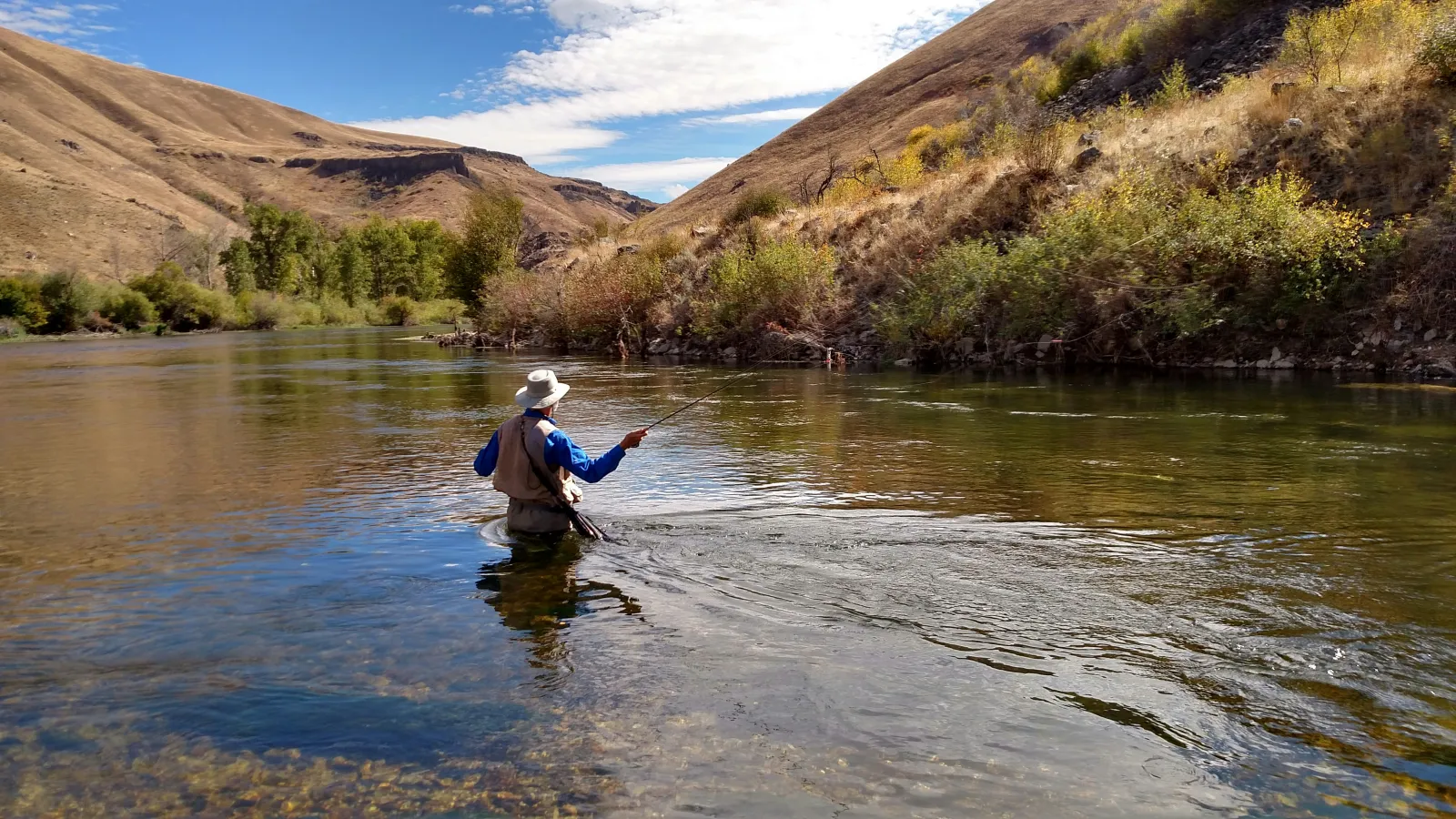
You've prepared—now execute:
- Arrive early - Best fishing is often first light
- Start with nymphs - Fish are feeding subsurface in cold water
- Fish slow - Metabolism is still sluggish in 50°F water
- Focus on slow water - Fish conserve energy in spring
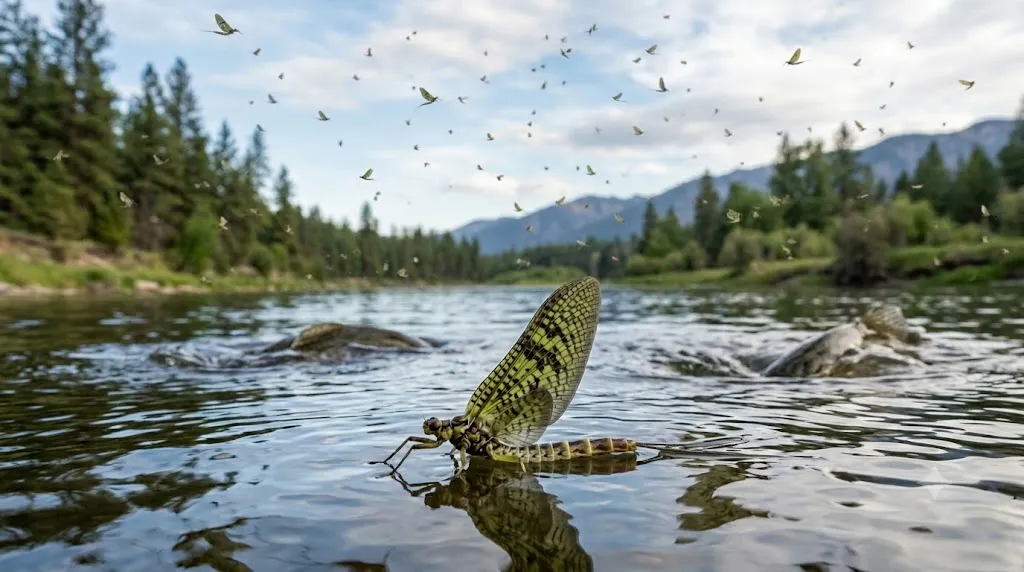
- Watch for hatches - BWOs often emerge on cloudy days
- Log everything - Start your season log on day one
Spring Fishing Success Tips
Water Temperature is Key
- Below 40°F - Fish are lethargic; fish very slow
- 40-50°F - Fish are feeding but slow; use nymphs
- 50-60°F - Prime time; fish are active
Time of Day Matters
- Early morning - Often slow until water warms
- 10am-3pm - Best action as water temperature rises
- Evening - Can be excellent if hatches occur
Location Selection
- Target slower, deeper pools (fish conserve energy)
- Look for sun-exposed banks (warmer water)
- Fish tailouts and soft seams
- Avoid fast, cold riffles early season
Common Spring Mistakes to Avoid
1. Fishing too fast
Spring fish are sluggish. Slow down your retrieve and drift.
2. Using summer patterns
Smaller, darker flies work better in cold water. Not sure what's working? Join Bushwhack, follow your friends or fellow anglers in your area and you can see what other anglers are catching fish with.
3. Ignoring water temperature
A 5-degree difference changes everything. Carry a thermometer.
4. Overdressing
You'll warm up quickly. Layer so you can adjust.
5. Fishing high, dirty water
Wait for water to drop and clear. Check conditions before driving.
6. Not having backup plans
Spring conditions change hourly. Have 2-3 backup locations.
Post-Trip Maintenance
After each spring trip:
- Rinse all gear with fresh water (especially after saltwater)
- Hang waders to dry completely
- Clean and dry boots
- Rinse fly line
- Dry flies that got wet
- Restock any flies you lost
- Log your trip immediately - Record conditions, catches, and patterns
Your Spring Fishing Log
This is crucial: Start logging from day one of spring season. If you haven't started a fishing log yet, read our complete guide on how to start a fishing log.
Track these spring-specific details:
- Water temperature at start and end of session
- Water clarity (clear, slightly stained, muddy)
- Hatches observed (species, time, duration)
- Successful fly patterns and sizes
- Time of day for best action
- Weather conditions
- Water flow levels
By mid-spring, you'll have data showing exactly when and where to fish for maximum success.
The Bottom Line
Spring fishing rewards the prepared. While others are scrambling with broken gear, missing flies, and poor planning, you'll be on the water catching fish.
Use this checklist starting 2-3 weeks before your first trip. Print it out, check off items as you complete them, and you'll be ready when opening day arrives.
The ice is melting. The fish are waking up. Are you ready?
Ready to track your spring catches and build a database of what works? Sign up for Bushwhack and start logging your fishing adventures today. It's free to get started.
What's on your spring fishing preparation checklist? Share your tips in the comments below!