5 Best Lure Patterns for Spring Bass Fishing (Proven Producers)
 Hudson Reed
Written by Hudson Reed
Spring is the most exciting time for bass fishing. As water temperatures climb from the 40s into the 60s, bass transition from deep winter haunts to shallow spawning areas, becoming increasingly aggressive and catchable.
But spring bass fishing isn't one-size-fits-all. Early spring (40-50°F) requires different lures than late spring (60-70°F). The key to consistent success? Understanding which lure patterns work during each phase of the spring transition.
After analyzing thousands of fishing logs from bass anglers across the country, we've identified the 5 most productive spring lure patterns. Master these, and you'll catch bass from ice-out through the spawn.
Understanding Spring Bass Behavior
Before we dive into specific lures, let's understand what bass are doing in spring:
Early Spring (40-50°F) - Pre-Spawn
- Bass are lethargic, holding in deeper water near spawning areas
- Slow presentations are critical
- Focus on main lake points, channel swings, and deep structure
- Bites are subtle - watch your line closely
Mid Spring (50-60°F) - Staging
- Bass move shallower but haven't committed to beds yet
- Most aggressive feeding period of the year
- Target transition zones between deep and shallow water
- Reaction baits start producing
Late Spring (60-70°F) - Spawn & Post-Spawn
- Bass are on beds or recovering from spawn
- Sight fishing opportunities in clear water
- Bed fish are protective, not hungry - use finesse
- Post-spawn bass are exhausted and finicky
Pro tip: Track water temperature with every catch. Over time, you'll identify the exact temp ranges when each lure pattern produces best at your home waters.
The 5 Best Spring Lure Patterns
1. Jig & Craw - The Year-Round Champion
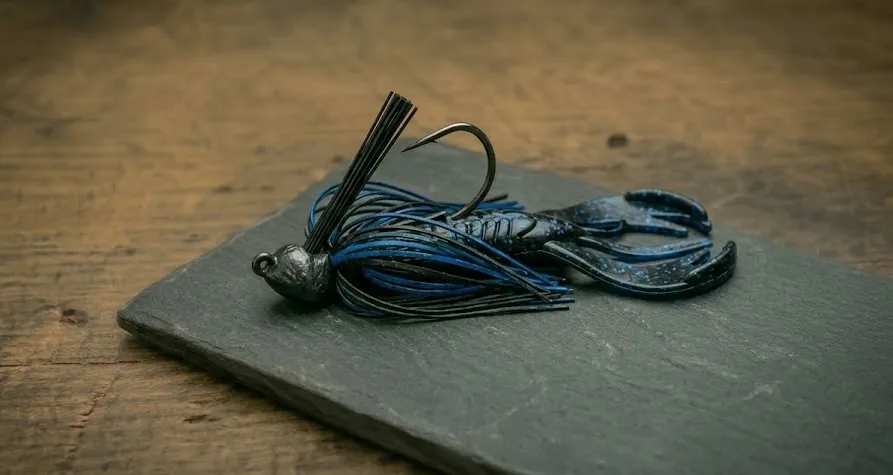
Why it works: Imitates crawfish, which are the primary forage for pre-spawn bass. Works in all water temps and conditions.
Best sizes: 3/8 oz (shallow), 1/2 oz (medium), 3/4 oz (deep)
Best colors: Green pumpkin, black/blue, brown/orange
Best trailer: Chunk-style craw trailer
When to Use
- Early spring (40-50°F): Slow drag on bottom near deep structure
- Mid spring (50-60°F): Hop through transition zones
- Late spring (60-70°F): Pitch to visible cover and beds
Technique
The drag: Cast, let it sink, drag slowly along bottom with occasional hops
The pitch: Flip to specific targets (docks, laydowns, brush)
The swim: Slow-roll through grass and over structure
Why it's #1: If you could only fish one lure all spring, this is it. Works in 40°F water and 70°F water. Catches fish in mud, grass, rocks, and wood. The ultimate confidence bait.
Track your colors: Use Bushwhack to log which jig colors produce best at each lake. You'll be surprised how location-specific color preferences can be.
2. Suspending Jerkbait - The Cold Water Killer
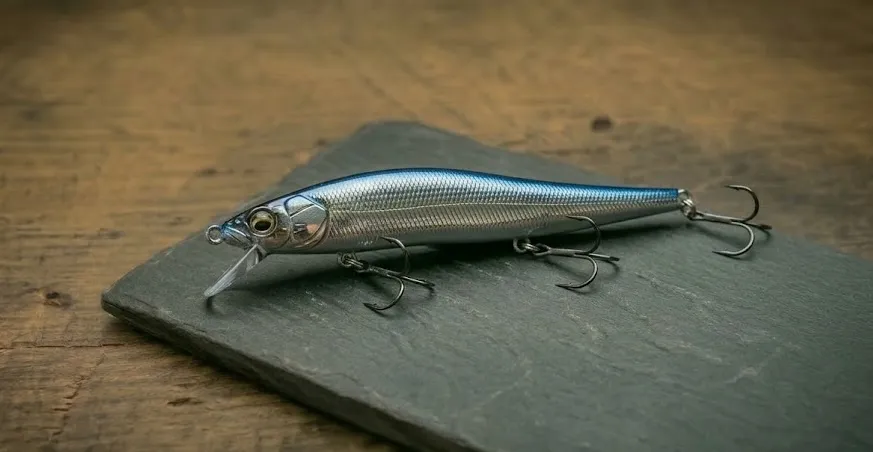
Why it works: Suspending jerkbaits trigger reaction strikes from lethargic bass. The erratic action mimics a dying shad - an easy meal.
Best sizes: 4-5 inches (most versatile)
Best colors: Chrome/blue (clear water), chartreuse/black (stained), bone (overcast)
Best depth: 4-8 feet
When to Use
- Early spring (40-55°F): DEADLY - this is prime jerkbait season
- Mid spring (55-60°F): Still effective, especially on windy days
- Late spring (60°F+): Effectiveness drops as water warms
Technique
The cadence: Twitch, twitch, pause (3-5 seconds). Repeat.
Cold water: Longer pauses (5-10 seconds)
Warming water: Faster cadence, shorter pauses
Key insight: Most strikes occur during the pause. Fight the urge to reel. Let it sit.
Best Conditions
- Water temp: 40-58°F (sweet spot is 48-54°F)
- Wind: Light chop on the surface
- Clarity: Clear to lightly stained
- Sky: Overcast or partly cloudy
Common mistake: Anglers give up on jerkbaits too early. Fish them until water hits 60°F consistently.
3. Lipless Crankbait - The Grass & Transition Bait
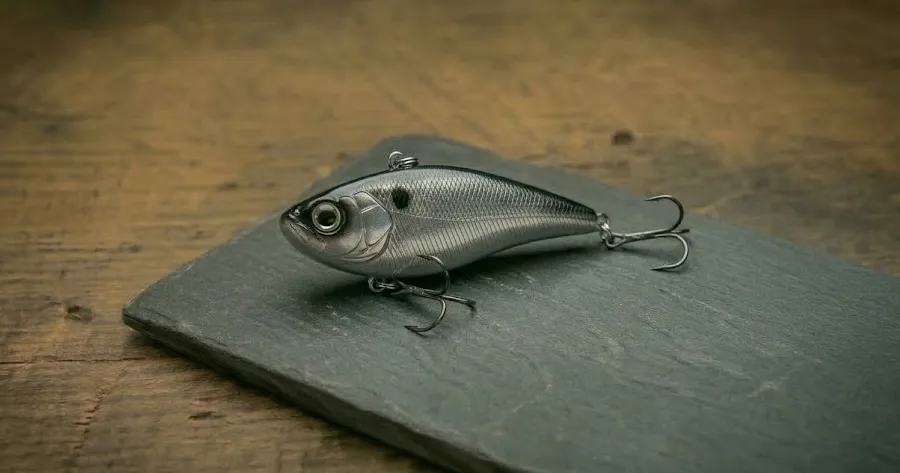
Why it works: Vibration and flash trigger reaction strikes. Excels in stained water and around vegetation.
Best sizes: 1/2 oz (most versatile), 3/4 oz (deep/windy)
Best colors: Red craw, chrome/blue, chartreuse/black, gold/black
Best retrieve: Yo-yo, rip & fall, steady retrieve
When to Use
- Early spring (45-55°F): Slow yo-yo retrieve in deeper water
- Mid spring (55-65°F): PEAK SEASON - rip through grass
- Late spring (65°F+): Still effective around shallow cover
Technique
The yo-yo: Let it sink, rip it up, let it fall on slack line (strike zone!)
The rip: Burn it through grass, rip it free when it gets hung
The grind: Slow-roll along bottom, bouncing off rocks and wood
Best Locations
- Grass flats (rip it through, let it fall in holes)
- Main lake points (yo-yo down the slope)
- Channel swings (parallel to drop-offs)
- Riprap and rocky banks (deflection bites)
Pro tip: When you feel grass, RIP IT. Don't slow down. The rip triggers reaction strikes.
Track your patterns: Log your retrieve style with each catch. You'll discover which technique works best at specific locations.
4. Soft Plastic Stick Bait (Wacky/Weightless) - The Finesse Finisher
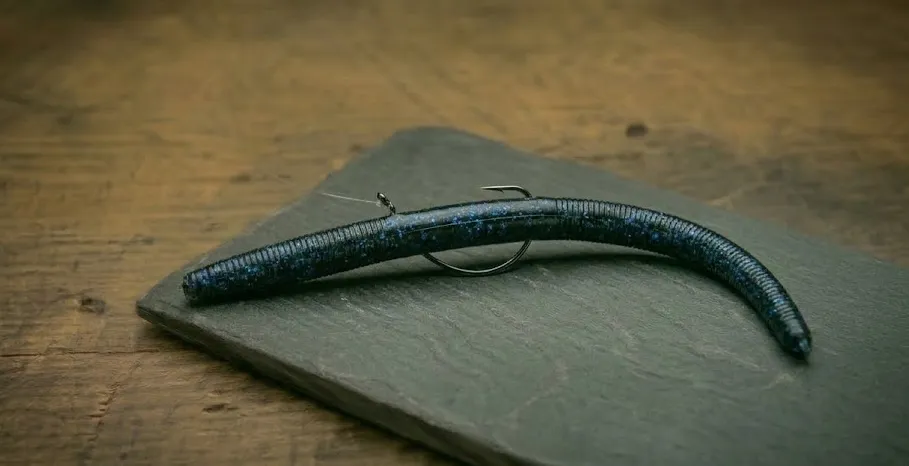
Why it works: Subtle, natural action that finicky bass can't resist. Perfect for clear water and pressured fish.
Best sizes: 4-5 inches (Senko-style)
Best colors: Green pumpkin, watermelon, black, junebug
Best rigging: Wacky rig (O-ring), weightless Texas rig, Neko rig
When to Use
- Early spring (50°F+): Slow fall around docks and cover
- Mid spring (55-65°F): Effective but outshined by reaction baits
- Late spring (60-70°F): DEADLY on beds and post-spawn fish
Technique
Wacky rig: Cast, let it sink on slack line, subtle twitches
Weightless Texas: Skip under docks, slow fall in pockets
Neko rig: Nose-weighted for vertical presentations
Best Situations
- Sight fishing to bedding bass
- Clear water with spooky fish
- Post-frontal conditions (high pressure, bluebird skies)
- Heavily pressured lakes
- When nothing else is working
Bed fishing tip: Don't rip it away from the bed. Let it sit. Twitch it. Make the bass mad. They'll eventually bite out of aggression, not hunger.
5. Spinnerbait - The Versatile Search Bait
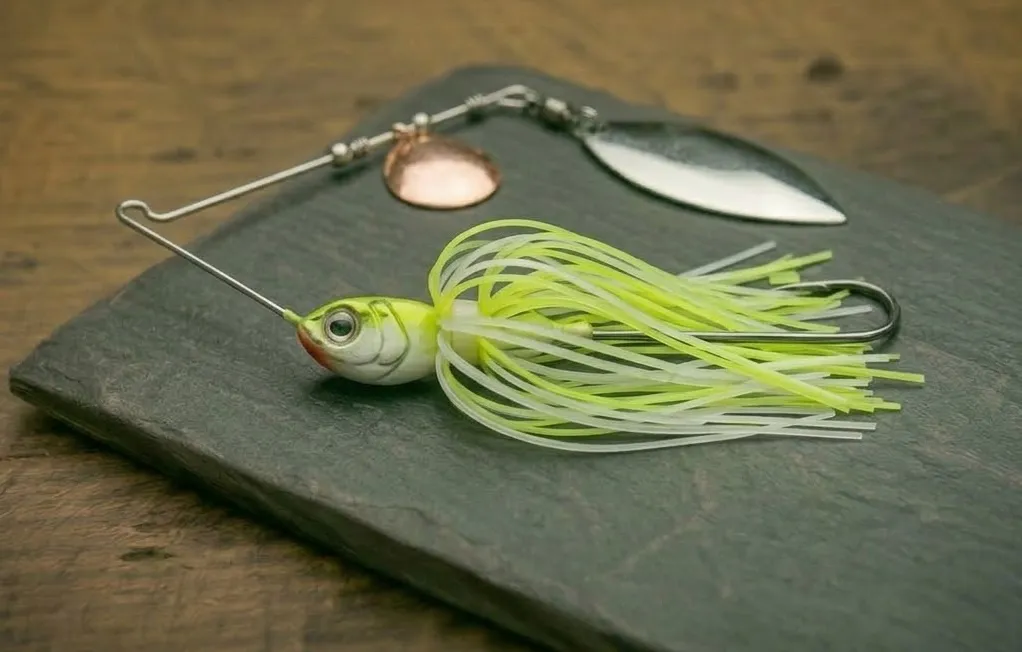
Why it works: Flash and vibration attract bass from a distance. Covers water quickly. Relatively snag-proof.
Best sizes: 3/8 oz (shallow), 1/2 oz (all-around), 3/4 oz (deep/windy)
Best blade combos: Willow/willow (clear), Colorado/willow (stained), double Colorado (muddy)
Best colors: White/chartreuse, white, black/blue, shad patterns
When to Use
- Early spring (45-55°F): Slow-roll in deeper water
- Mid spring (55-65°F): PEAK SEASON - burn shallow cover
- Late spring (65°F+): Still effective around spawning areas
Technique
The slow-roll: Retrieve just fast enough to feel the blades thump
The burn: Fast retrieve over shallow grass and wood
The helicopter: Let it fall on slack line next to cover
Best Conditions
- Stained to muddy water (vibration helps bass locate it)
- Windy days (chop on surface, bass less spooky)
- Overcast skies (bass roam shallow)
- Around wood, grass, and rocks (snag-resistant design shines)
Blade selection matters:
- Willow blades: Tight wobble, more flash, clear water
- Colorado blades: Wide wobble, more vibration, stained water
- Combo: Best of both worlds
Track your success: Log blade combinations and colors by water clarity. You'll build a personalized guide.
Spring Lure Selection by Water Temperature
40-50°F (Early Spring)
Primary: Jig & craw, suspending jerkbait
Secondary: Lipless crankbait (yo-yo retrieve)
Retrieve speed: SLOW - bass are cold and lethargic
50-60°F (Mid Spring)
Primary: Lipless crankbait, jerkbait, spinnerbait
Secondary: Jig & craw
Retrieve speed: Moderate to fast - bass are active
60-70°F (Late Spring)
Primary: Stick bait (wacky), jig & craw, spinnerbait
Secondary: Lipless crankbait
Retrieve speed: Variable - match the mood
Building Your Spring Tackle Box
Jigs (Must-Have)
- 3/8 oz: Green pumpkin, black/blue (2 each)
- 1/2 oz: Green pumpkin, black/blue, brown/orange (2 each)
- Trailers: Chunk-style in matching colors
Jerkbaits (Cold Water Essential)
- Chrome/blue back (3)
- Chartreuse/black back (2)
- Bone/white (2)
Lipless Crankbaits (Grass & Transition)
- 1/2 oz: Red craw, chrome/blue, chartreuse/black (2 each)
- 3/4 oz: Red craw, gold/black (1 each)
Stick Baits (Finesse)
- 5": Green pumpkin, watermelon, black (1 pack each)
- O-rings for wacky rigging
- Neko rig weights (1/16 oz)
Spinnerbaits (Search Bait)
- 1/2 oz willow/willow: White/chartreuse, white (2 each)
- 1/2 oz Colorado/willow: Black/blue, shad (1 each)
Location-Specific Patterns
Clear Water Lakes
Best lures: Jerkbait, stick bait (wacky), jig (natural colors)
Best colors: Natural shad, green pumpkin, watermelon
Technique: Finesse presentations, longer casts
Stained Water Lakes
Best lures: Lipless crankbait, spinnerbait, jig
Best colors: Chartreuse, white, black/blue
Technique: Vibration and flash, closer casts
Muddy Water Lakes
Best lures: Spinnerbait (Colorado blades), lipless crankbait
Best colors: Chartreuse/black, white, bright colors
Technique: Slow presentations, maximum vibration
Grass Lakes
Best lures: Lipless crankbait, spinnerbait, stick bait (Texas rigged)
Technique: Rip through grass, work edges and holes
Rocky/Riprap Lakes
Best lures: Jerkbait, lipless crankbait, jig
Technique: Deflection bites off rocks, parallel casts
Know your waters: Track which lures work at each lake. Spring patterns can be highly location-specific.
Common Spring Mistakes to Avoid
❌ Fishing too fast in cold water: Below 55°F, SLOW DOWN
❌ Wrong jerkbait cadence: Pause longer than you think
❌ Giving up on lipless too early: Keep ripping when it gets hung
❌ Not matching blade to water clarity: Willow = clear, Colorado = stained
❌ Ignoring water temp: It's the #1 factor in lure selection
❌ Using summer techniques: Spring bass are different - adjust
Advanced Spring Tactics
The Follow-Up Bait Strategy
When a bass follows but doesn't commit:
- Note the location
- Wait 2-3 minutes
- Come back with a different lure (usually downsize/finesse)
- Common sequence: Spinnerbait → Jerkbait → Stick bait
The Transition Zone Pattern
In mid-spring, focus where deep meets shallow:
- Main lake points
- Channel swings
- Creek mouths
- Ledges and drop-offs
Technique: Start deep with jig/jerkbait, work shallow with lipless/spinnerbait
The Bed Fishing Approach
When sight fishing spawning bass:
- Approach quietly (don't spook them off bed)
- Start with stick bait (wacky rig)
- Let it sit in the bed
- Subtle twitches - make them mad
- Be patient - can take 20+ casts
Track Your Spring Success
The best spring anglers aren't guessing - they're using data:
- Log every catch - Lure, color, retrieve, water temp, location
- Build your lure database - See which patterns produce most
- Track locations - Identify your best spring spots
- Review patterns - What worked at 52°F? What about 58°F?
After one spring season of detailed logging, you'll have a personalized playbook worth more than any article or YouTube video.
Bonus: Spring Color Selection Guide
Water Clarity
Clear: Natural shad, green pumpkin, watermelon, bone
Stained: Chartreuse, white, black/blue
Muddy: Bright chartreuse, white, black with chartreuse
Sky Conditions
Sunny: Natural colors, chrome, shad patterns
Overcast: Darker colors, black/blue, junebug
Partly cloudy: Versatile colors, white/chartreuse
Water Temperature
Cold (40-50°F): Natural colors, subtle flash
Warming (50-60°F): Brighter colors, more flash
Warm (60-70°F): Match the forage, natural presentations
Final Thoughts
Spring bass fishing is about adaptation. Water temps fluctuate, weather changes daily, and bass behavior shifts weekly.
But that's what makes it the best time of year. The anglers who succeed are the ones who:
- Carry these 5 proven lure patterns
- Match lure selection to water temperature
- Track what works and learn from it
- Stay flexible and adjust to conditions
Stock your box with these patterns, start logging your catches, and you'll be well on your way to your best spring ever.
Tight lines!
What's your go-to spring bass lure? Share your favorites in the comments below!