10 Best Spring Flies for the Rocky Mountains (March-May)
 Cameron Spanos
Written by Cameron Spanos
Spring in the Rocky Mountains can be challenging but is a rewarding time for fly fishing. Snowmelt brings high, murky water, but it also triggers incredible hatches and hungry trout. The key to success? Having the right flies in your box. Also having a best friend as a guide wouldn't hurt
Fishing through some of my favorite locations: Colorado, Utah, Wyoming, and Montana, I've came up with this list of the 10 most productive spring fly patterns. Whether you're fishing the Green River in Utah, the South Platte in Colorado, or the Madison in Montana, these flies will help you put more fish in your net.
Understanding Spring Conditions in the Rockies
Before we dive into specific patterns, let's talk about what makes spring fishing unique:
- Runoff timing: Typically peaks in May-June, but varies by elevation
- Water clarity: Ranges from gin-clear tailwaters to chocolate milk freestones
- Temperature: 40-55°F in most rivers
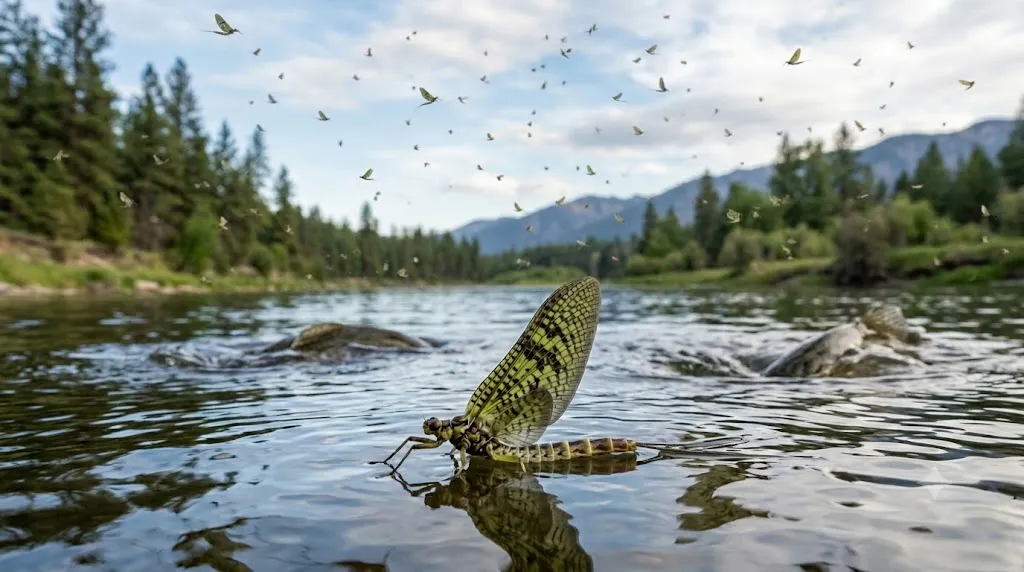
- Hatches: Midges, BWOs, early stoneflies, and caddis
Pro tip: Track which flies work best at your favorite locations throughout the season. Patterns that work in March might not produce in May.
The 10 Best Spring Flies for Rocky Mountain Trout
1. Zebra Midge (#18-22) - The Year-Round Champion
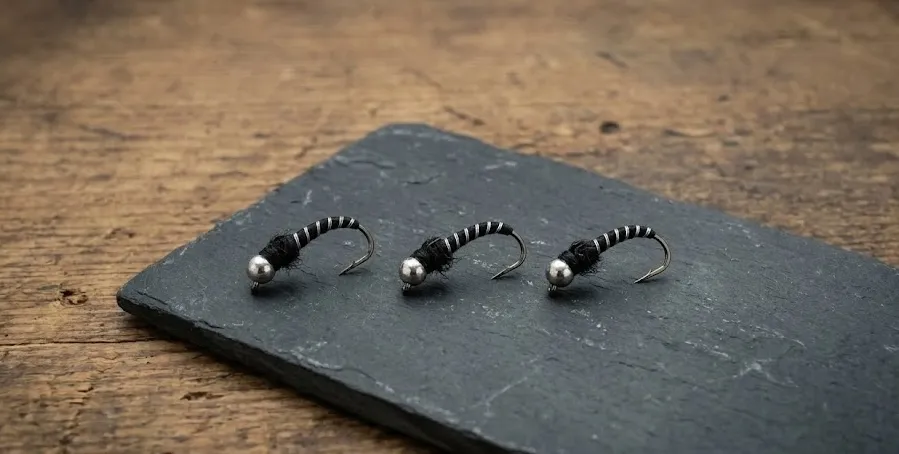
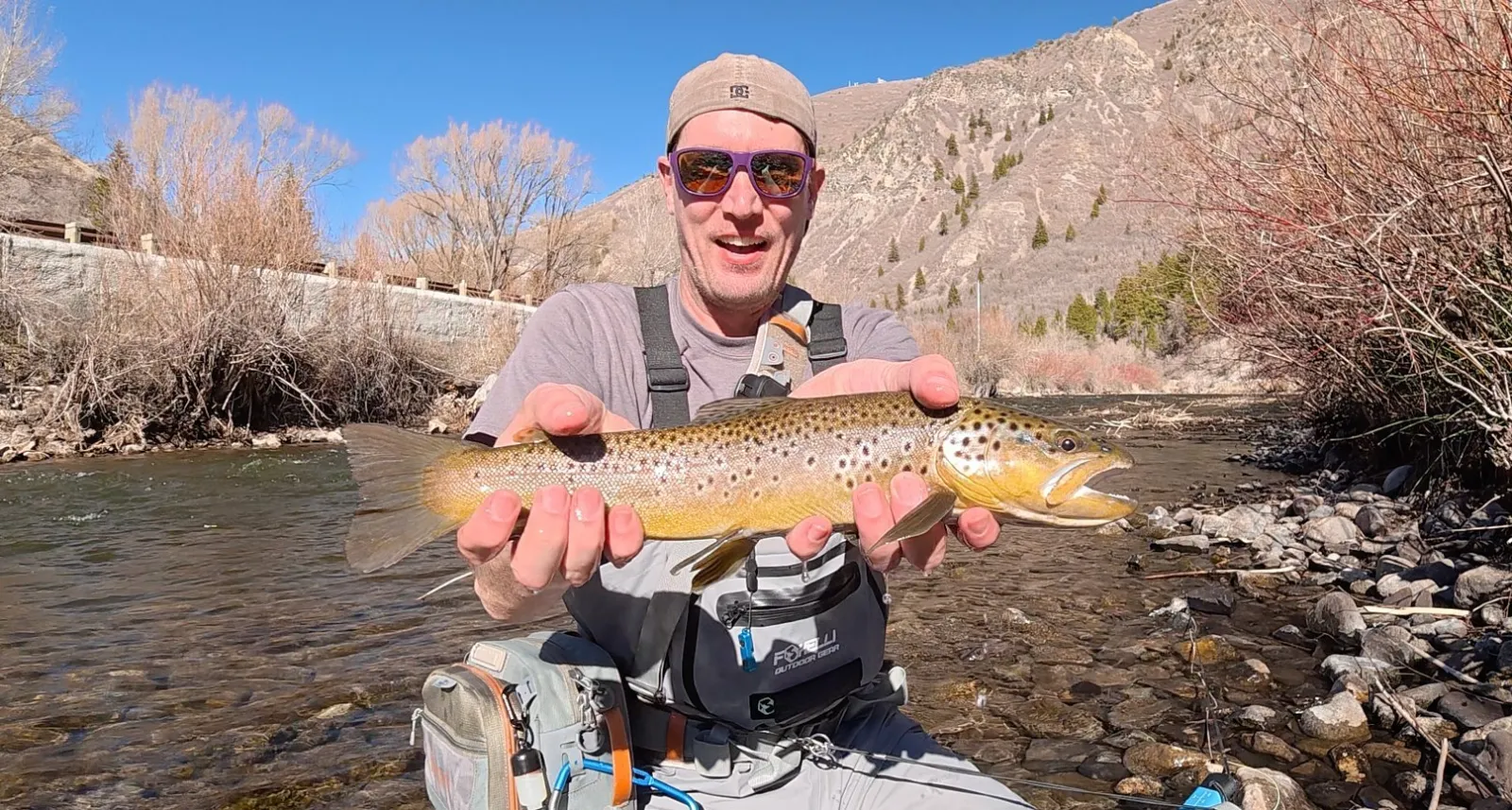
Why it works: Midges hatch year-round in tailwaters and spring creeks. When nothing else is working, a zebra midge will save the day. I've also landed my personal best brown trout on a size 20 zebra midge. Trophy trout suck these little guys down too.
Colors: Black, red, olive
Best locations: South Platte (CO), Green River (UT), Bighorn (MT)
Technique: Fish 2-3 feet below an indicator in slow pools and runs
When to use: All day, but especially productive 10am-2pm when midges are most active. Log this pattern and track your success rate.
2. Pheasant Tail Nymph (#16-20) - The Classic Producer
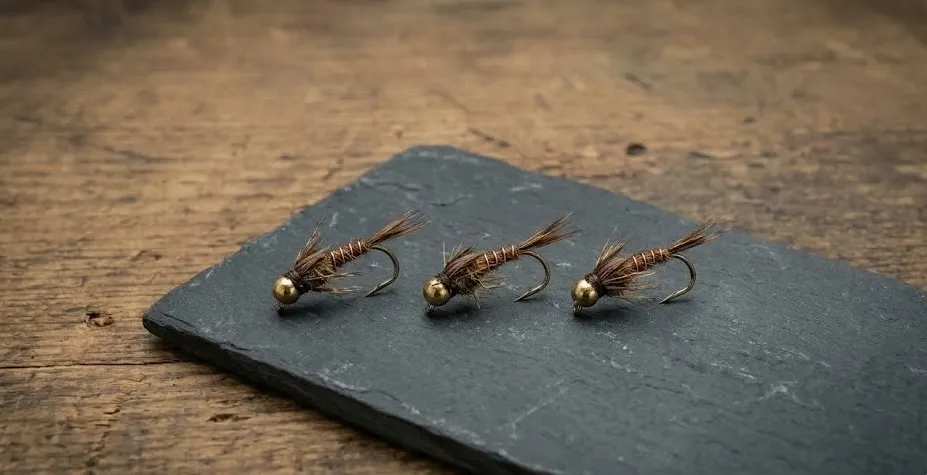
Why it works: Imitates mayfly nymphs, caddis larvae, and small stoneflies. It's the Swiss Army knife of nymphs.
Variations: Flashback, beadhead, tungsten
Best locations: Freestone rivers during pre-runoff
Technique: Euro nymphing or under an indicator
Spring tip: Downsize to #18-20 in clear water, upsize to #14-16 when water is off-color.
3. Blue Winged Olive (BWO) Emerger (#18-22) - The Hatch Matcher
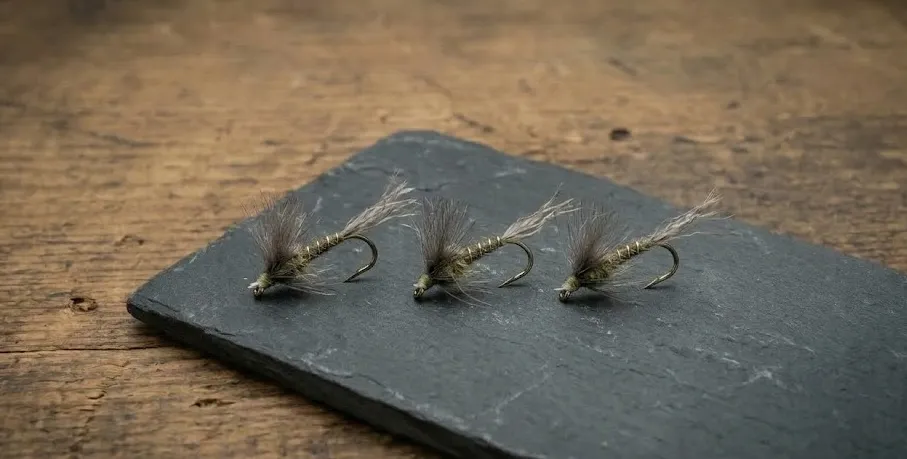
Why it works: BWOs are THE spring hatch in the Rockies. Overcast, drizzly days from March-May bring epic emergences.
Patterns to try: RS2, Barr Emerger, CDC BWO
Best conditions: 45-55°F water, cloudy skies, light rain
Technique: Fish in the film or just subsurface
Timing is everything: BWO hatches typically occur 11am-3pm. Check your past logs to identify patterns at specific rivers.
4. Pat's Rubber Legs (#6-10) - The Attractor Nymph
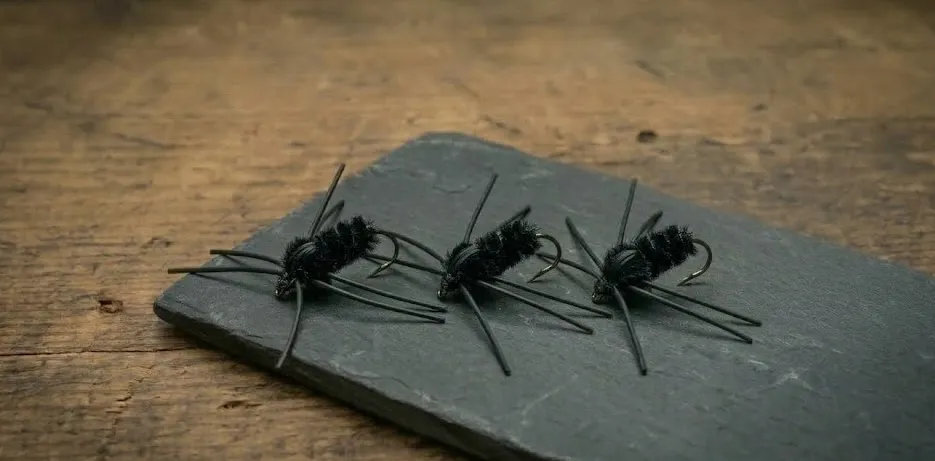
Why it works: Big, buggy profile triggers aggressive strikes. Imitates stoneflies, which are abundant in Rocky Mountain freestones.
Colors: Black, brown, olive
Best locations: Boulder Creek (CO), Provo River (UT), Gallatin (MT)
Technique: Dead drift along bottom structure, or swing through riffles
High water secret: When rivers are blown out, Pat's Rubber Legs in black is often the only fly that works.
5. Copper John (#14-18) - The Heavy Hitter
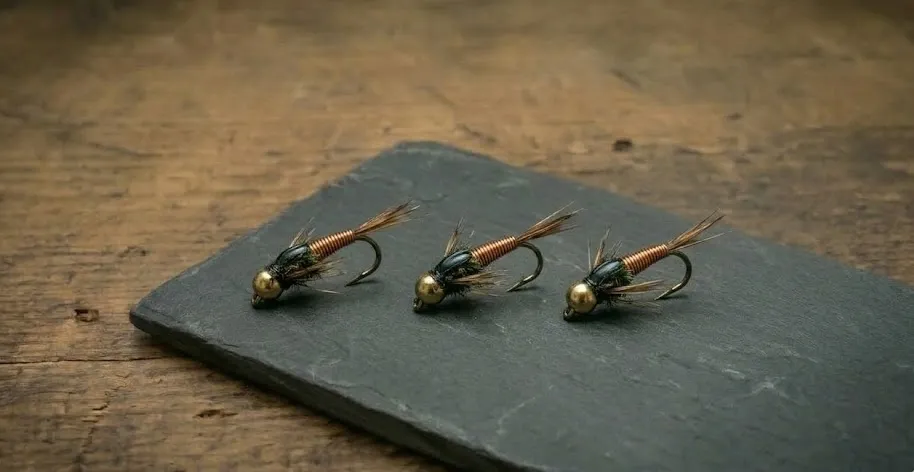
Why it works: Gets down fast in swift currents. The copper body and flashy wing case attract attention in murky water.
Colors: Copper, red, green
Best technique: Lead fly in a two-nymph rig
When to use: High flows, pocket water, deep runs
Rig tip: Pair with a smaller trailer fly like a zebra midge or pheasant tail.
6. Woolly Bugger (#6-12) - The Streamer Staple
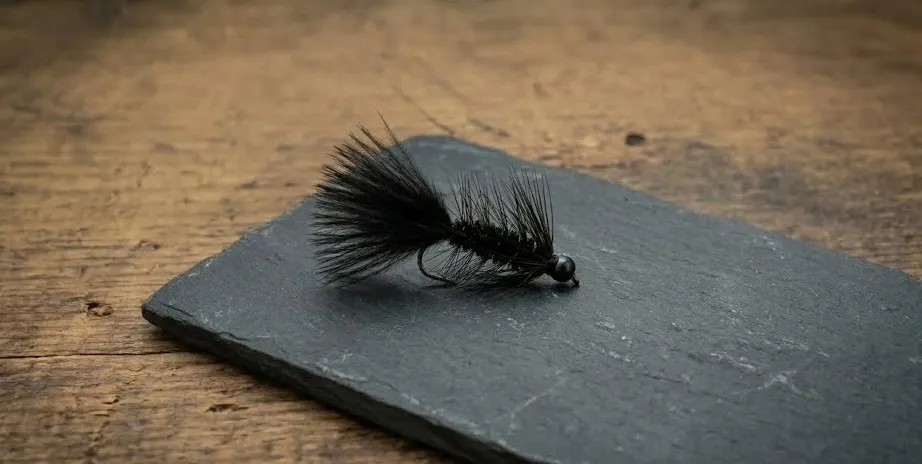
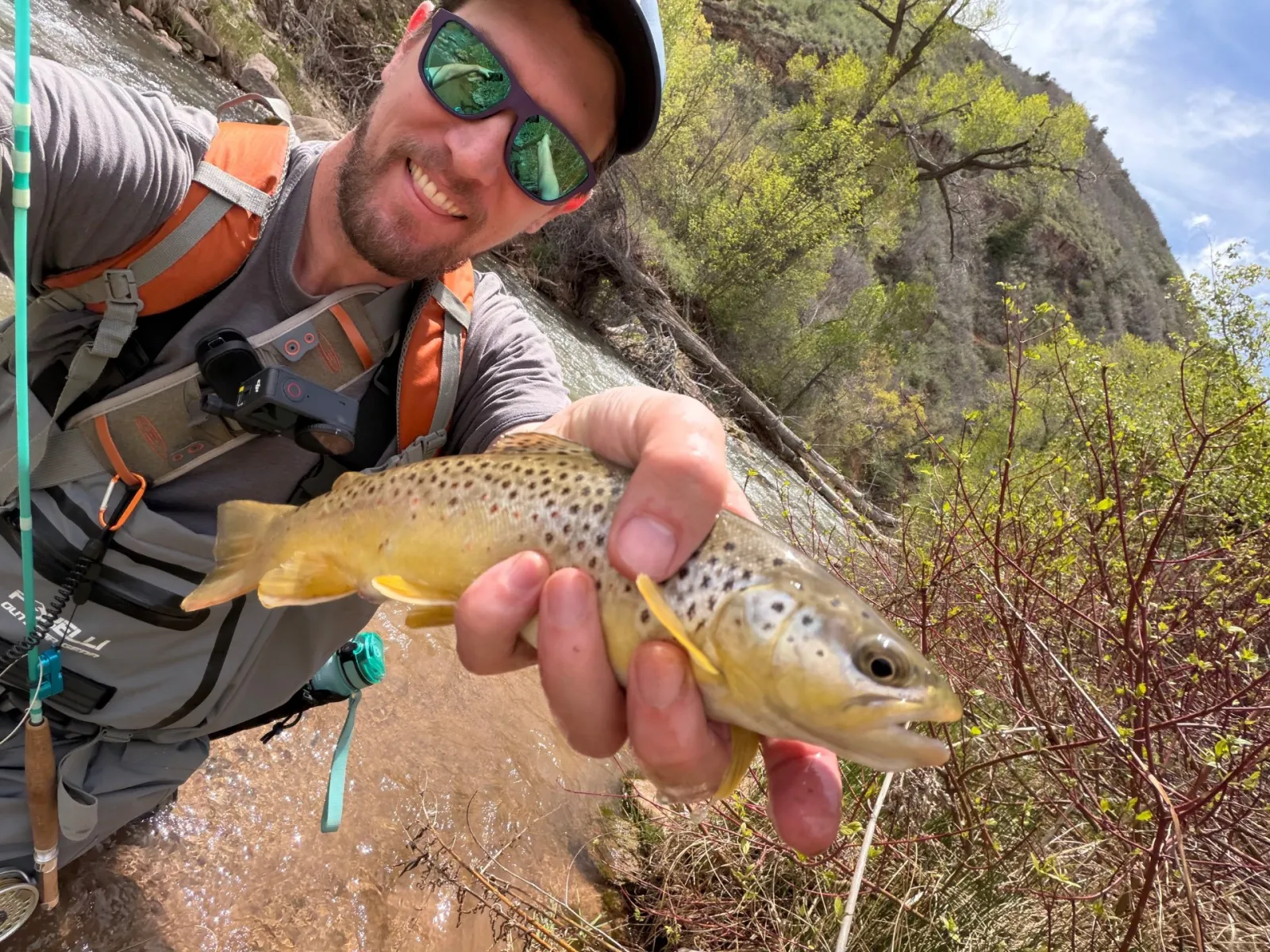
Why it works: Spring trout are aggressive and hungry after winter. Streamers trigger predatory instincts. This may be one of my favorites flies to fish because it continually produces large trout for me.
Colors: Black, olive, brown
Best conditions: Off-color water, overcast days, early morning/late evening
Technique: Strip retrieve with pauses, or swing through runs
Trophy hunter tip: Big browns move shallow in spring to feed. A black woolly bugger at dawn can produce your personal best.
7. Hare's Ear Nymph (#12-16) - The Versatile Classic
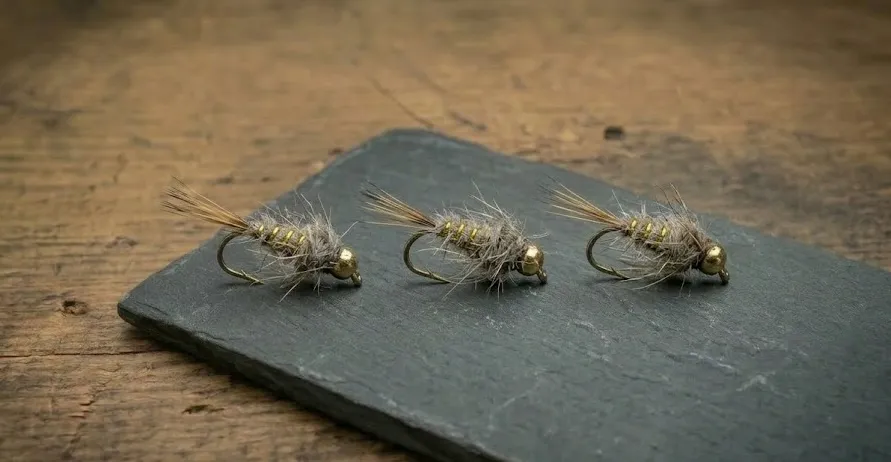
Why it works: Buggy appearance imitates multiple food sources. The dubbed body creates natural movement.
Variations: Flashback, beadhead, tungsten
Best locations: All Rocky Mountain rivers
Technique: Bottom-bouncing in riffles and runs
Why it's essential: When you're not sure what's working, tie on a hare's ear. It's saved countless spring days.
8. Egg Pattern (#10-14) - The Controversial Producer
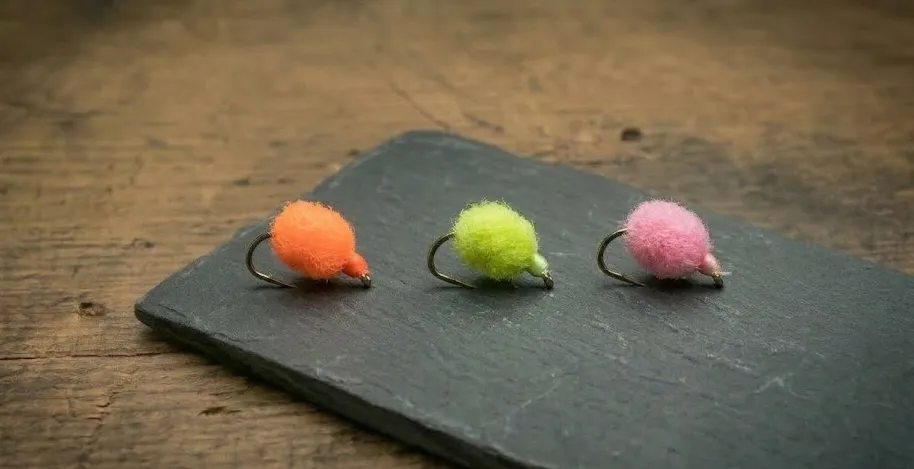
Why it works: Trout key on drifting eggs during spring spawning season (rainbows) and residual salmon eggs in some systems. Egg patterns often get an undeserved bad reputation and are often called trash flies. They are just jealous that you've been catching more fish then them.
Colors: Peach, pink, orange, chartreuse
Best locations: Below spawning areas, tailwaters
Ethics note: Check local regulations - some waters prohibit egg patterns
When to use: March-April when rainbows are spawning. Track your egg pattern success by location.
9. Caddis Larva (#14-18) - The Underrated Nymph
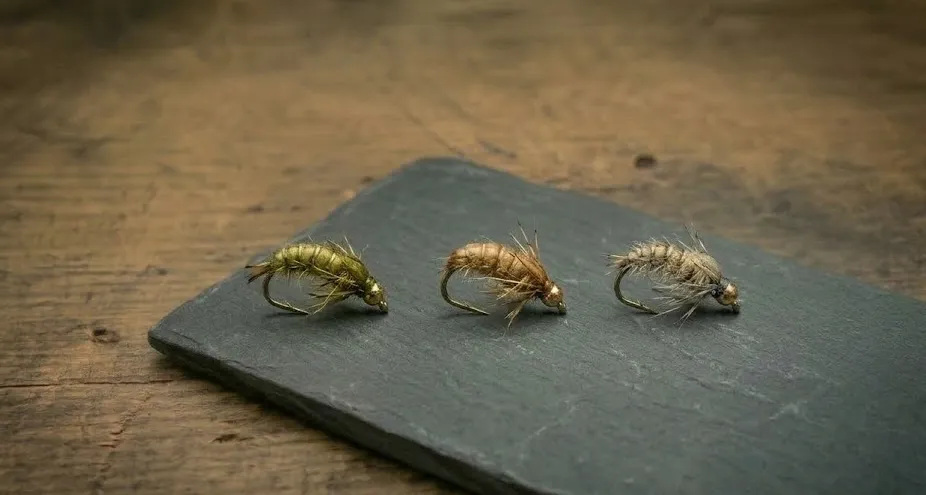
Why it works: Caddis larvae are abundant in Rocky Mountain rivers. Trout feed on them heavily before the spring caddis hatch.
Patterns: Breadcrust, LaFontaine Deep Sparkle Pupa
Colors: Tan, olive, cream
Technique: Dead drift near bottom, especially in riffles
Pre-hatch secret: Two weeks before caddis start hatching, larvae patterns outfish everything else.
10. Parachute Adams (#14-18) - The Dry Fly Savior
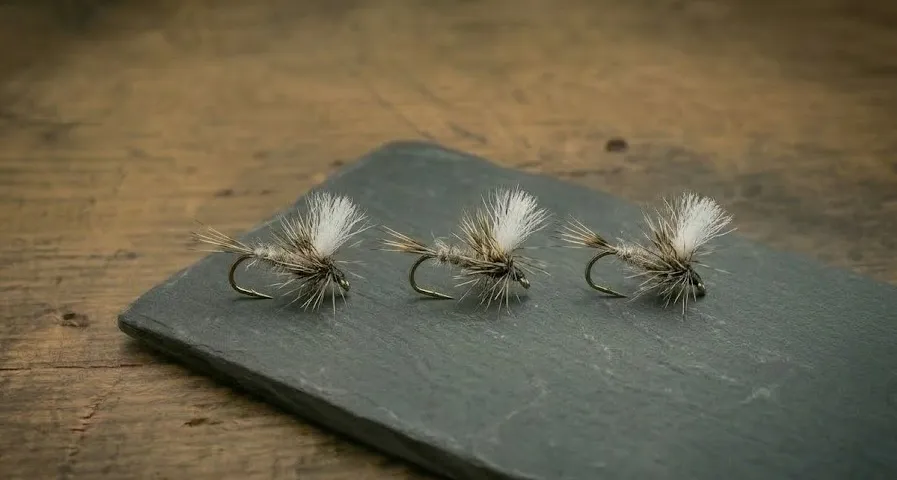
Why it works: When BWOs, midges, or early caddis are hatching, the parachute Adams is visible and effective.
Why parachute?: The white post makes it easy to see in choppy spring water
Best conditions: Calm water, rising fish, afternoon hatches
Technique: Dead drift with occasional twitch
Dry fly tip: Spring dry fly fishing is limited, but when it happens, it's magical. The parachute Adams covers multiple hatches.
Building Your Spring Fly Box
Here's how to stock your box for maximum versatility:
Nymphs (80% of your spring fishing)
- Zebra Midges: 1 dozen in black, red, olive (#18-22)
- Pheasant Tails: 1 dozen (#16-20)
- Copper Johns: 6 in copper, red (#14-18)
- Pat's Rubber Legs: 6 in black, brown (#6-10)
- Hare's Ears: 6 (#12-16)
- Caddis Larvae: 6 in tan, olive (#14-18)
- Egg Patterns: 6 in peach, pink (#10-14)
Emergers (15% of your spring fishing)
- BWO Emergers: 1 dozen (#18-22)
- RS2s: 6 in olive, gray (#20-22)
Dry Flies (5% of your spring fishing)
- Parachute Adams: 6 (#14-18)
- BWO Duns: 6 (#18-20)
Streamers (Bonus for trophy hunters)
- Woolly Buggers: 6 in black, olive (#6-12)
Location-Specific Recommendations
Colorado
South Platte (Deckers, Cheesman): Zebra midges, RS2s, pheasant tails
Arkansas River: Pat's Rubber Legs, copper johns, caddis larvae
Blue River: BWO emergers, hare's ears, parachute Adams
Utah
Green River: Zebra midges (red!), scuds, BWO emergers
Provo River: Pheasant tails, Pat's Rubber Legs, egg patterns
Weber River: Copper johns, caddis larvae, woolly buggers
Wyoming
North Platte: Zebra midges, pheasant tails, BWO emergers
Snake River: Pat's Rubber Legs, woolly buggers, hare's ears
Green River: Caddis larvae, copper johns, streamers
Montana
Madison River: Pheasant tails, hare's ears, BWO emergers
Bighorn River: Zebra midges, scuds, BWO emergers
Missouri River: Pheasant tails, caddis larvae, parachute Adams
Track your patterns: Use Bushwhack to log which flies work at each location. Over time, you'll build a personalized guide.
Spring Fly Fishing Tactics
Nymphing Techniques
Indicator nymphing: Best for beginners, effective in all conditions
Euro nymphing: Deadly in pocket water and riffles
High-stick nymphing: Perfect for small streams and tight quarters
Reading Spring Water
- Look for slower water: Trout conserve energy in high flows
- Fish the edges: Seams between fast and slow current hold fish
- Target structure: Boulders, logs, undercut banks provide refuge
- Don't ignore tailouts: Often overlooked but highly productive
Adjusting to Conditions
Clear water: Downsize flies, use longer leaders (9-12ft), stealthy approach
Off-color water: Upsize flies, add weight, use brighter colors
High flows: Fish slower pockets, use heavy nymphs, shorten drifts
Cold temps: Slow your presentation, fish deeper, be patient
Common Spring Mistakes to Avoid
❌ Fishing too fast: Spring trout are lethargic. Slow down your drifts.
❌ Not getting deep enough: Add more weight. You should be ticking bottom.
❌ Ignoring small flies: Even in high water, #18-20 midges can outfish everything.
❌ Giving up on dry flies: When hatches happen, they're incredible.
❌ Not adapting: What worked yesterday might not work today. Be flexible.
Track Your Spring Success
The best way to improve your spring fly fishing is to track what works:
- Log every catch - Record fly, location, conditions, time
- Build your fly database - See which patterns produce most
- Track locations - Identify your most productive spring spots
- Review your data - Look for patterns in successful days
After one spring season of detailed logging, you'll have a personalized guide that's more valuable than any article.
Bonus: Spring Fly Tying Tips
Want to tie your own? These patterns are beginner-friendly:
Easiest to tie: Zebra midge, woolly bugger, San Juan worm
Intermediate: Pheasant tail, hare's ear, copper john
Advanced: BWO emergers, parachute Adams
Cost savings: A dozen zebra midges costs $20+ at shops. Tie your own for $3.
Final Thoughts
Spring fly fishing in the Rocky Mountains is about adaptation. Water levels change daily, hatches are unpredictable, and weather can swing from bluebird to blizzard in hours.
But that's what makes it exciting. The anglers who succeed are the ones who:
- Carry a diverse fly selection
- Read water conditions and adjust
- Track what works and learn from it
- Stay persistent through tough days
Stock your box with these 10 proven patterns, start logging your catches, and you'll be well on your way to spring success.
Tight lines, and see you on the water!
What's your go-to spring fly in the Rockies? Share your favorites in the comments below!