Complete Fly Fishing Setup Guide: Rods, Reels, and Lines Explained
 Cameron Spanos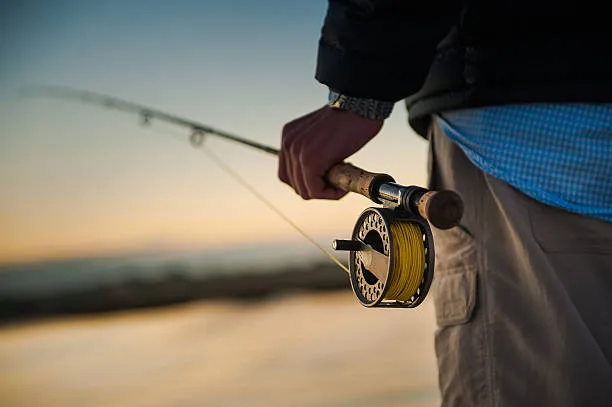
Written by Cameron Spanos
Whether you're just getting into fly fishing or looking to dial in your setup, understanding how your rod, reel, and line work together is the foundation of success on the water. In this guide, we'll break down each component and show you how tracking your gear can reveal which setups actually perform best.
Understanding Fly Rod Weight
Fly rods are categorized by "weight" — a number from 1 to 12+ that indicates the size of line, size of fly, and fish the rod is designed to handle. Here's a quick breakdown:
- 1-3 weight: Small stream trout, panfish. Delicate presentations on tight water.
- 4-5 weight: The most versatile range. Ideal for trout, small bass, and general freshwater fishing. A 5-weight is often recommended as your first rod.
- 6-7 weight: Larger trout, bass, carp, and light saltwater species. Great for windy conditions and bigger flies.
- 8-10 weight: Saltwater species like bonefish, redfish, stripers, and steelhead.
- 11-12 weight: Big game — tarpon, pike, musky, and offshore species.
Rod Length Matters
Most fly rods range from 7 to 10 feet. Length affects casting distance, line control, and how the rod performs in different environments:
- 7'6" and under: Perfect for small, brushy streams where you need short, accurate casts.
- 8'6" to 9': The standard all-around length. Good for rivers, lakes, and most situations.
- 9'6" to 10': Euro nymphing rods, or situations where extra reach helps — like high-stick nymphing or mending line on big rivers.
Choosing the Right Reel
In fly fishing, the reel serves two primary purposes: storing your line and providing drag when a fish runs. For trout fishing, a simple click-and-pawl reel works fine. For larger species, you'll want a sealed disc drag system that can handle long, powerful runs.
Match your reel to your rod weight. A reel rated for 4-6 weight lines pairs with a 4, 5, or 6 weight rod. Make sure it balances well in your hand — you'll be holding it all day.
If you are on a tight budget or looking to save. The reel is where I would look for deals or not buy name brand. I would spend the money you saved on the rod and line. They are more important for focusing on quality.
Fly Lines Explained
Your fly line is arguably the most important part of the equation — it's what carries your fly to the fish. The three main types:
- Weight Forward (WF): The most common taper. The heavier front section loads the rod quickly, making it easier to cast at various distances. Great for beginners and all-around use.
- Double Taper (DT): Identical on both ends, offering delicate presentations. Popular for dry fly fishing on smaller water. Flip it around when one end wears out.
- Shooting Head: A short, heavy head designed for maximum distance. Used in saltwater and steelhead fishing.
Lines also come in floating, sinking, and sink-tip varieties. A floating line covers 90% of trout fishing situations.
Putting It All Together: Sample Setups
Small Stream Trout
3-weight rod, 7'6", paired with a lightweight click reel and weight-forward floating line. Perfect for brook trout on tight mountain streams.
All-Around Trout
5-weight rod, 9', medium-arbor reel with disc drag, and WF floating line. This handles everything from dry flies to streamers on most rivers.
Bass and Warm Water
7-weight rod, 9', large-arbor reel, and WF floating line with a bass taper. Built to throw big, wind-resistant flies like poppers and clousers.
Track Your Gear, Catch More Fish
Here's something most anglers overlook: tracking which rod setup you use on every trip reveals patterns you'd never notice otherwise.
With Bushwhack, you can log each rod in your quiver — including the rod name, weight, length, reel, and line. Every time you create a fishing log, just select the rod you used. Over time, Bushwhack calculates:
- Total trips per rod — see which setups you actually reach for.
- Total fish caught — find out which rod puts the most fish in the net.
- Biggest fish — discover which setup lands your trophies.
- Success rate — the percentage of trips where you caught fish with each rod.
You might find that your 3-weight catches more fish per trip than your 5-weight, or that a specific rod and line combo consistently outperforms on certain water. That's the kind of insight that makes you a better angler.
Ready to start tracking your gear? Sign up for Bushwhack and add your first rod today.